Bike
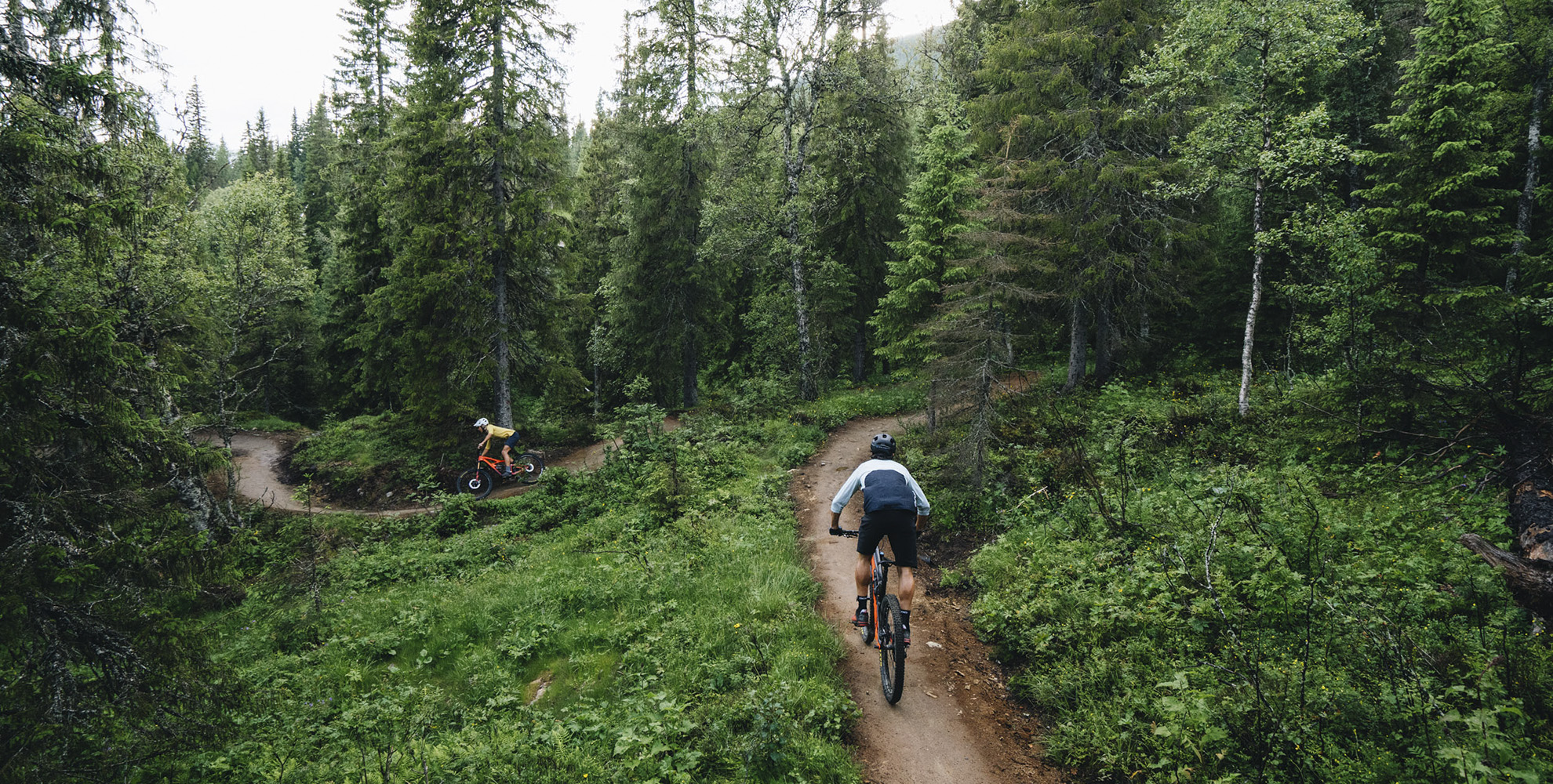
A bike with suspension both front and rear is often the best way to experience Åre’s varied trail network. It helps you maintain traction over roots, rocks, and uneven terrain—making the ride smoother, more playful, and a lot more fun.
How much travel you prefer mostly depends on the type of riding you enjoy. Travel simply refers to how much the bike’s suspension can move up and down to absorb bumps from the trail. Shorter travel often feels lively and efficient on smoother, easier singletrack, while longer travel adds confidence when the trail turns steeper, rougher, and a bit more adventurous.
Trail bike
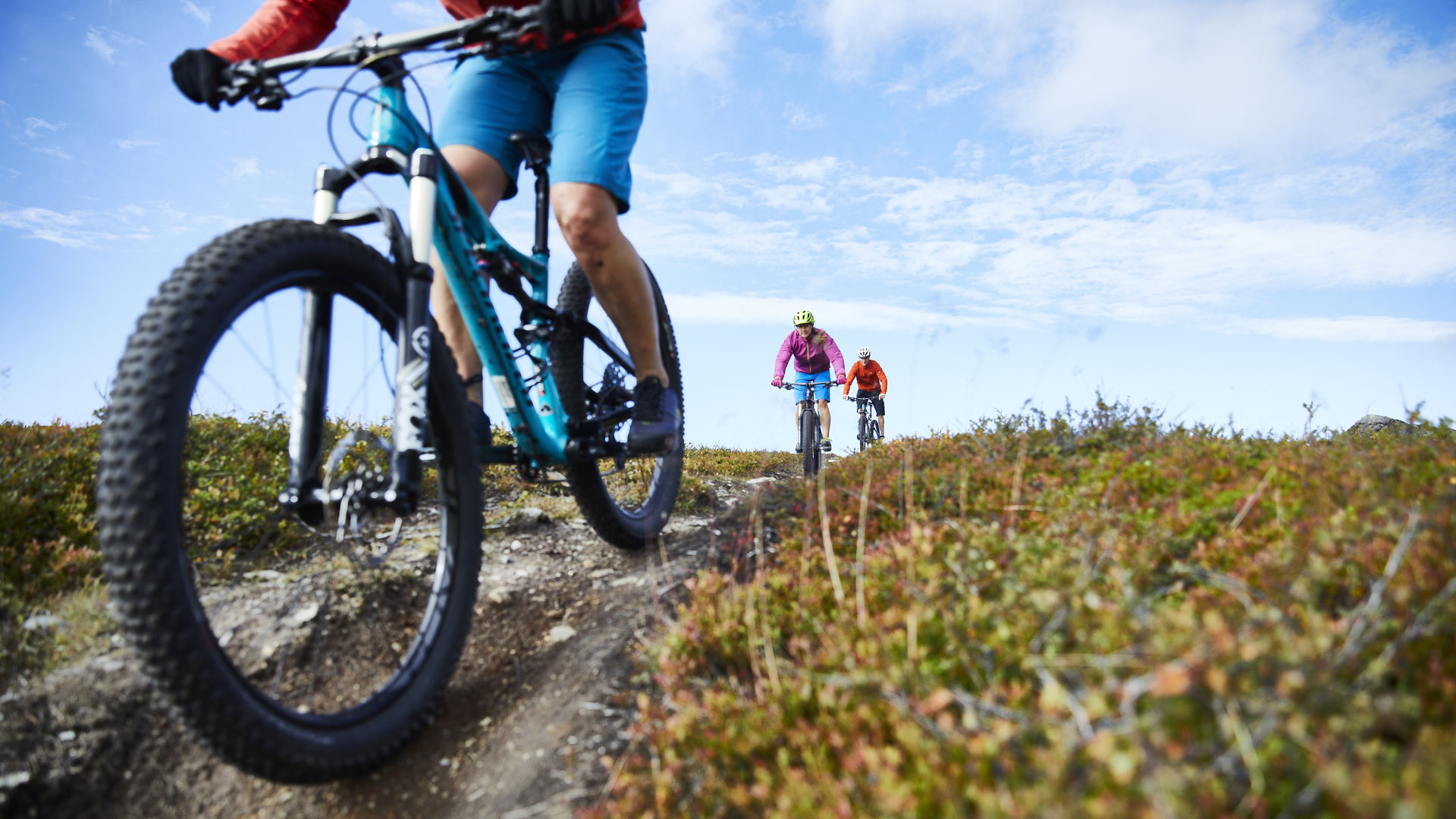
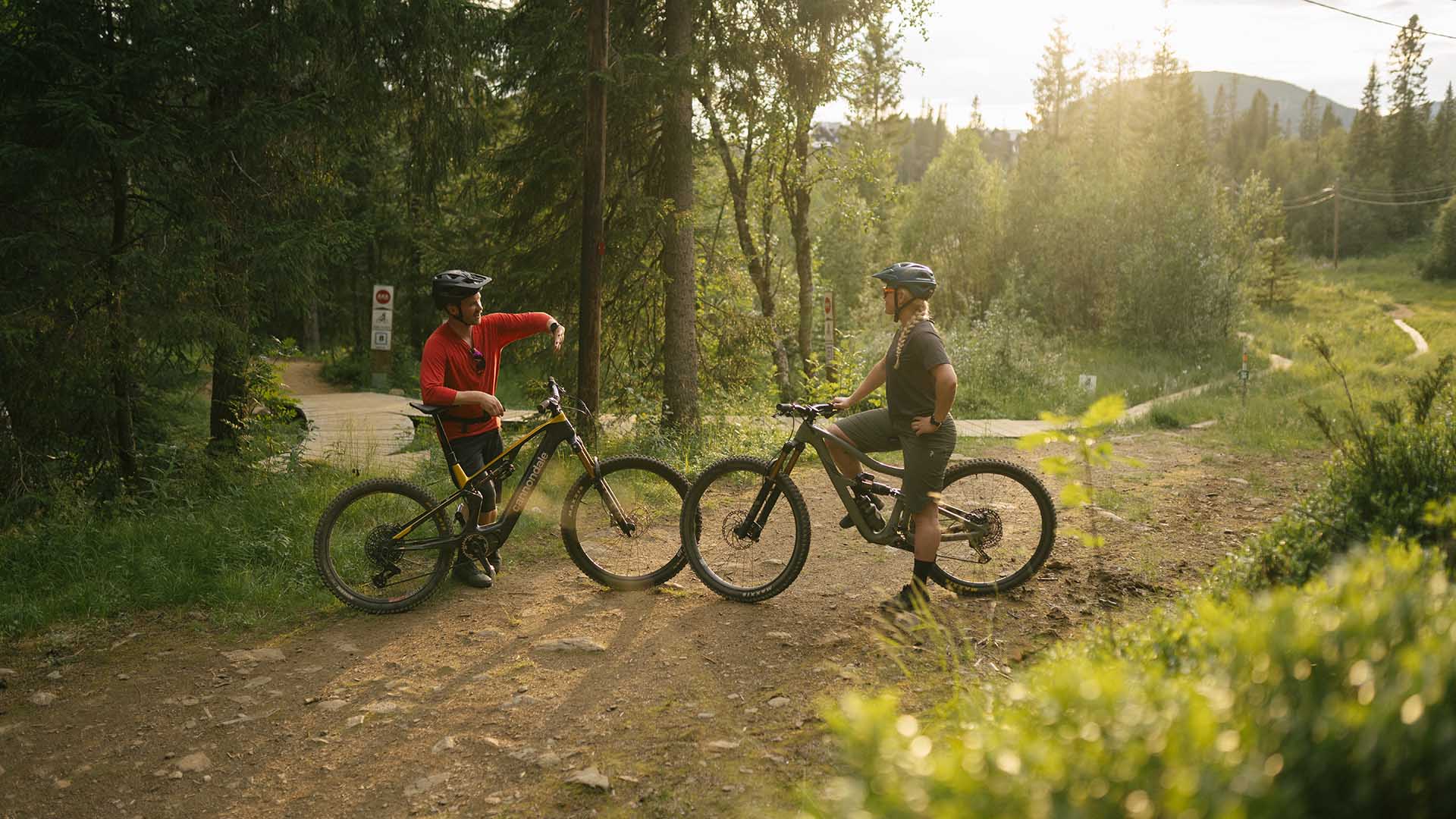
If you’re mostly pedalling uphill, a bike with a 120–150-millimetre suspension fork back and front is recommended. These are bikes that prioritize pedalling and climbing, but still have good downhill capabilities.
Enduro bikes
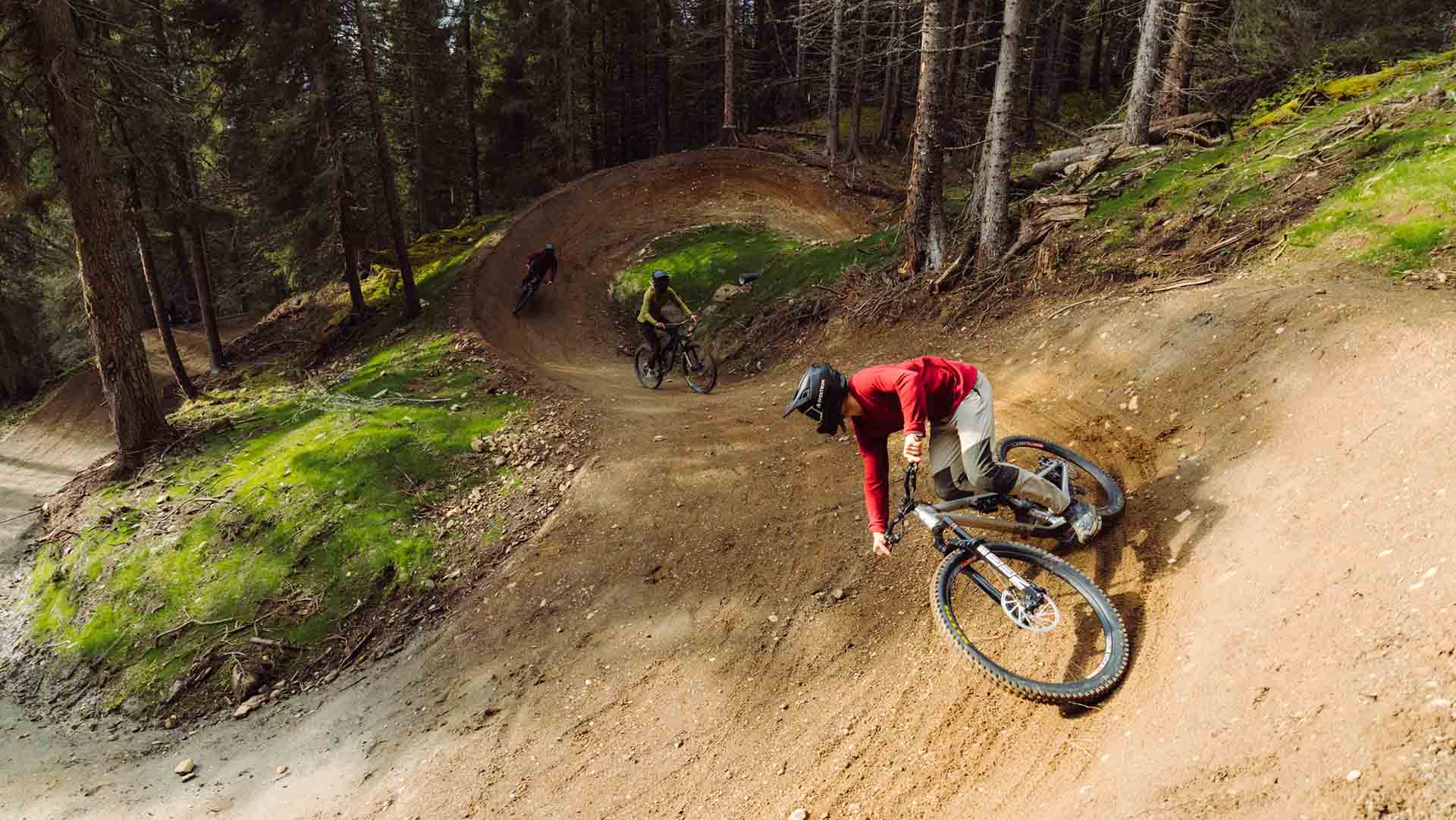
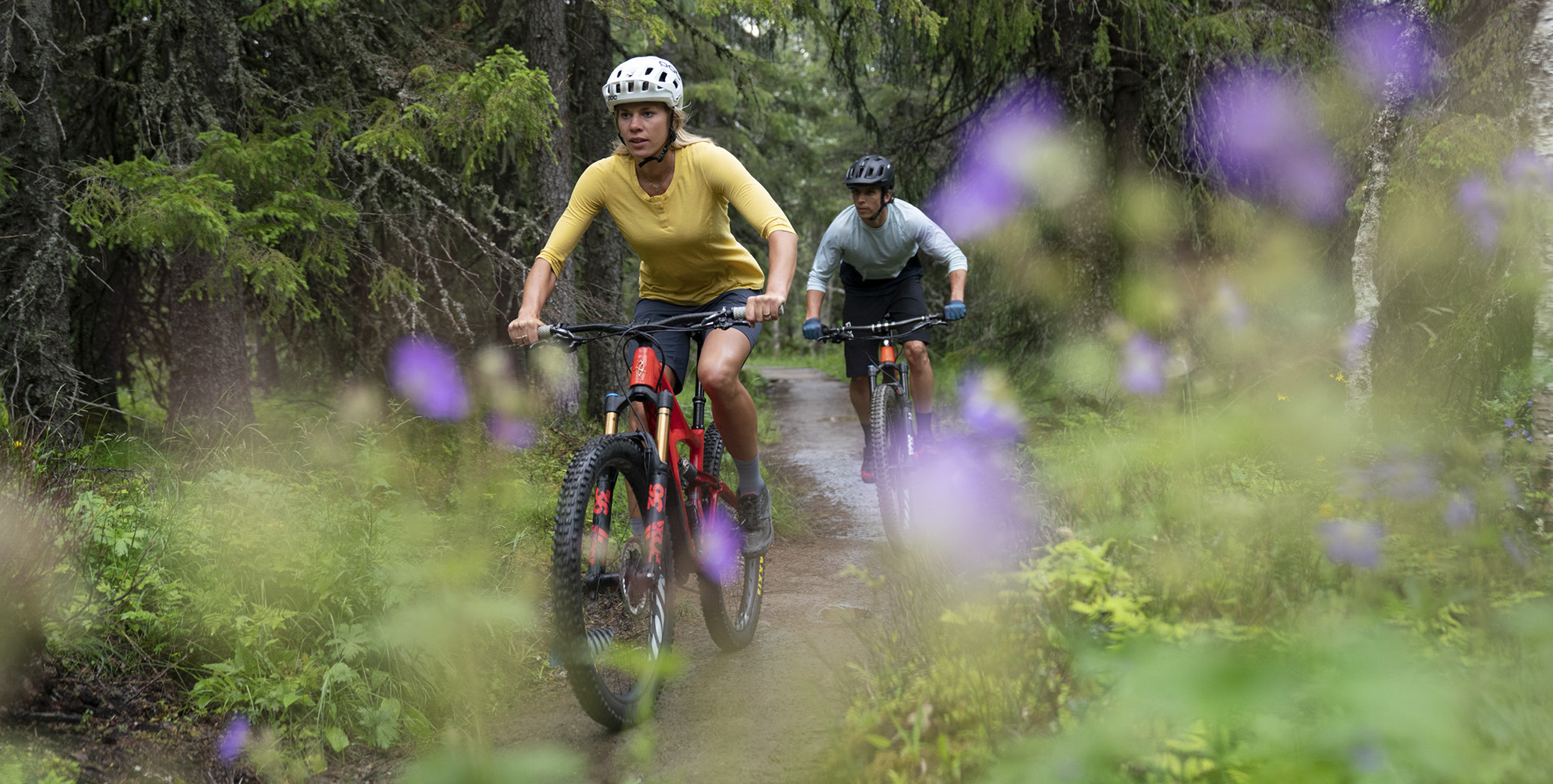
If you’re also eager to take your bike up Mt. Åreskutan and do some lift-borne cycling in Åre Bike Park in addition to trail riding, you should aim for a suspension fork around 140-170 millimetres together with slightly heavier and coarse tires. It’s a good compromise between downhill characteristics and pedalling efficiency.
Seat post
One of the biggest changes on bikes in recent years is the height-adjustable seat posts that are controlled from a control on the handlebars. You can easily adjust the height of the saddle depending on whether you’re riding downhill or climbing uphill and thus getting better control, more fun and safer biking.
Helmet
Your helmet is definitely not something you should cheap out on. However, you do not need an integral helmet for trails. A “regular”, open bicycle helmet is enough. On the other hand, avoid the lightest competition models and invest in a helmet that instead goes down properly to your neck to provide optimal protection. Try it out and find a model that fits well on your head, in some cases you will have to adjust the fit with the help of pillows that you usually get in the box when you buy a new helmet.
Knee pads
A pair of thin and light knee pads can be nice to have when (not if) you fall. It is not a must for trail biking, but extra protection never hurts. However, if you like more technical trail biking, it is a must. Find a light and slim model that allows you to pedal unhindered.
Get going with trail biking:
Clothes
Cycling jersey
A cotton T-shirt is of course comfortable to wear but gets slightly damp and sticky when you get hot and sweaty during exertion. Instead, get a functional cycling jersey in synthetic material or merino wool that breathes well and dries quickly.
Shorts
A pair of knee-length cycling shorts in a slightly heavier material is perfect for trail cycling. Cycling shorts often have a pair of smart pockets for things like your car keys, wallet or trail pass.
Bike pants
If you’ve ever been bumped down there from cycling, you know you never want to experience it again. Get a pair of thin bike pants with padding in the crotch that you can wear under your shorts. Your sensitive body parts will thank you; we promise!
Gloves
A pair of cycling gloves with long fingers both gives a better grip on the handlebars when you get sweaty, or if it’s wet outside and they protects your hands from scratches if you happen to bail on the slopes.
Cycling shoes and pedals
A pair of stable, biking shoes is a sensible investment if you intend to ride a lot. They’re constructed with sole that’s made to click right to the pedal and won’t give way when pedalling hard. Which shoes you choose depends on the type of pedal you use.
Platform pedals
A “normal” pedal with a large platform that’s also equipped with small pins to give you a better grip. For optimal function, you’ll need a sturdy shoe with a relatively smooth and grippy rubber sole that’ll provide good friction against the pedal. This combination works well for both trail riding and downhill mountain biking.
SPD pedals
Also called clip pedals consists of a system similar to a ski binding where a small cleat is screwed into the sole of the shoe that attaches to the pedal. There are plenty of different variations of both pedals and shoes but go for a pedal with a platform around the pedal mechanism itself. That’ll give you a little extra support and so that you can stand on it if you miss clicking in. Combine that with a shoe with a medium to stiff sole and you’ll have a good combination for both pedalling and riding downhill.

Tools and spare parts
You don’t need a full workshop at home to get started, but a couple of repair tools are good to have to keep your bike in shape. Head to one of the village’s bike shops if you need more advanced help.
Multi-tool
Get a multi-tool for cycling with the most common Allen keys (2.5-8 millimetres) torx wrench (T25) and a chain tool. With these you can easily make sure that bolts are screwed on and can perform simple repairs on your bike ride.
Pump
Air in the tires is always a good thing. Get a small hand pump to ensure that you always have the right pressure in your tires and in this way, prevent unnecessary punctures and have better riding comfort.
Chain quick link
If your chain breaks when you are out cycling, you’ll need a chain quick link to fix it. Your bike shop has a variety for your particular type of chain.
Spare hose and tire levers
On longer trips, it’s good if you have an extra hose and a tire lever with you so that you can fix a puncture if bad luck occurs. Try it out at home first so you know what to do it.
Water
It’s important to maintain a fluid balance when cycling. Get a water bottle to attach to a bottle holder on your bike or bring a hydration (bladder) pack in your backpack. And remember, if you drink only when you are thirsty, it’s usually a little too late.
Phone
Your phone is not only fun to have with you to take pictures of your friends (don’t forget to tag #åresweden on social media!) but also, as for your safety if an accident occurs. Enter the number of the bike patrol in your phone before heading out, it’s written on a sign at the start of the route.
Other equipment
Things that are not a must but that can be nice to have.
Glasses
A pair of sunglasses or sports glasses is nice as protection against the wind, dust, branches or flying insects.
Backpack
If you plan to go on a longer trip, it can be nice to have a backpack of 10–20 litres packed with repair tools, spare hose, a rain jacket and some snacks.
Rent your bike and gear
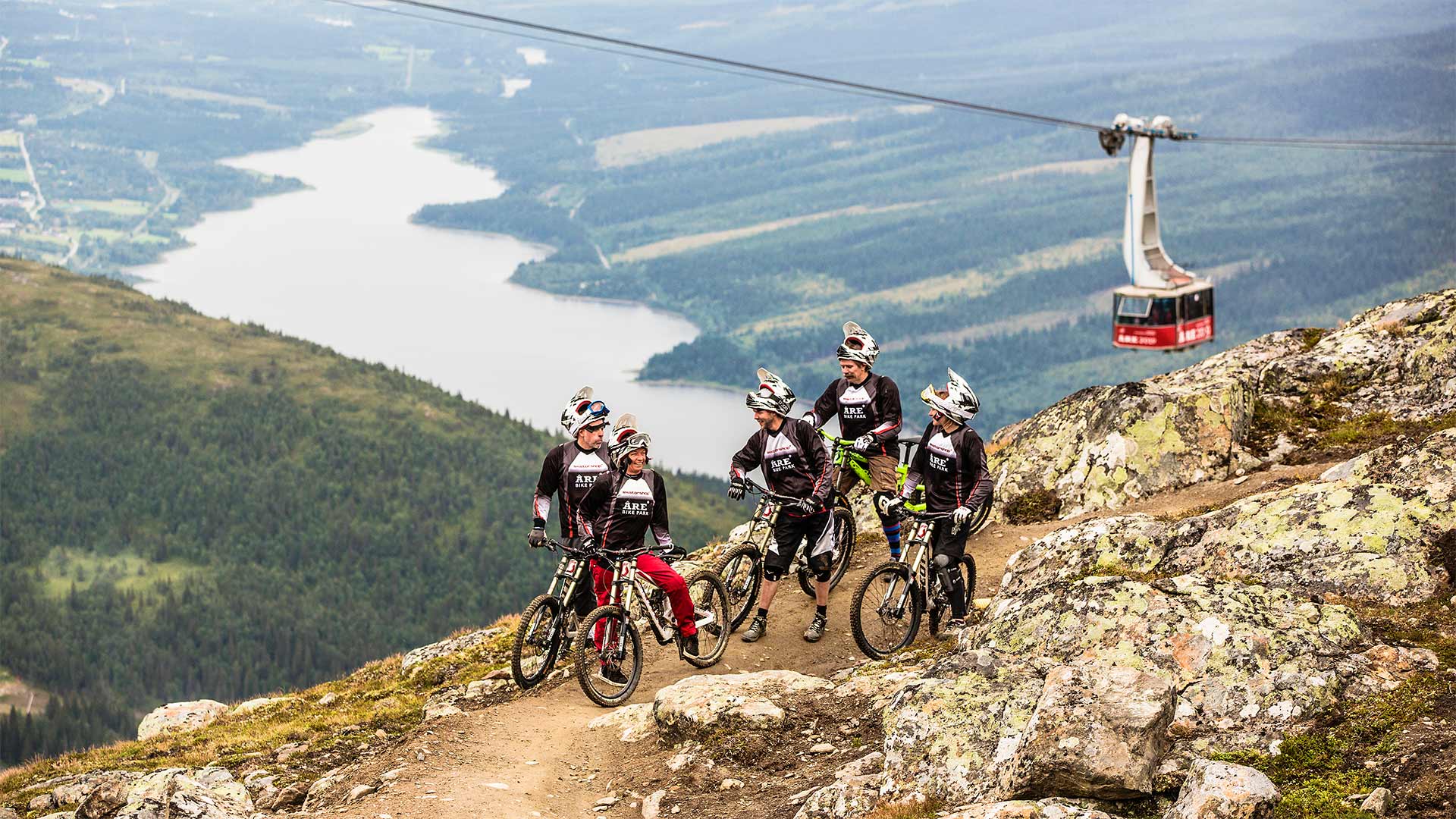
SkiStarshop Åre Torg
Bike rental with downhill- and cross country bikes from Scott and Giant. Bike school and guiding in Åre Bike Park. Small shop. LiftPass sales.

Åreguiderna
Wide range of activities. Summer – downhill, XC, fly fishing, hiking & SUP. Winter – offpist, cross country skiing, snowmobile tours & snowshoeing.
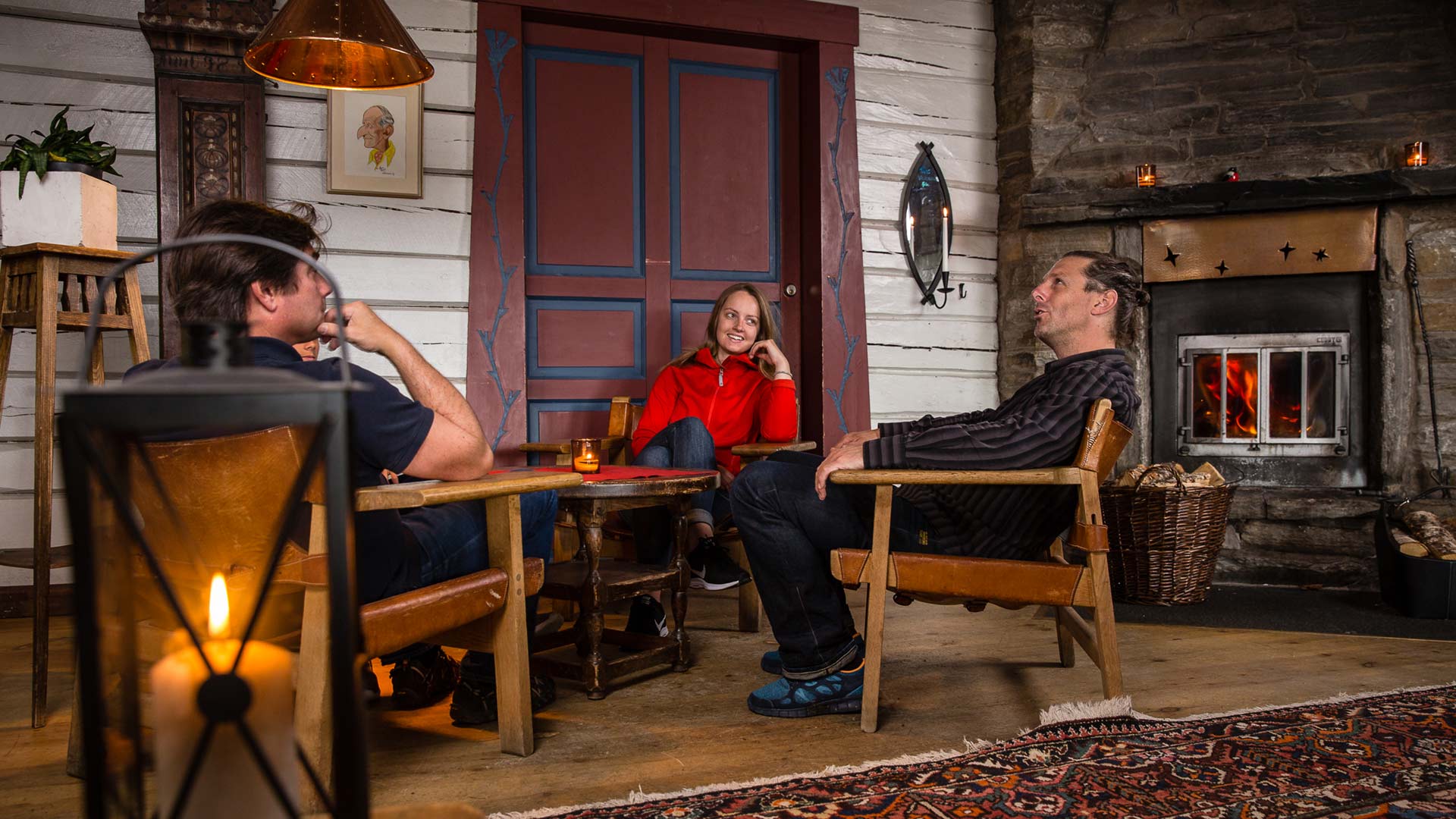
Vålådalens Fjällstation
Activity mountain hotel and restaurant. Premium tracks and trails for XC-skiing, trail running, biking and hiking. Sports shop with rental service.
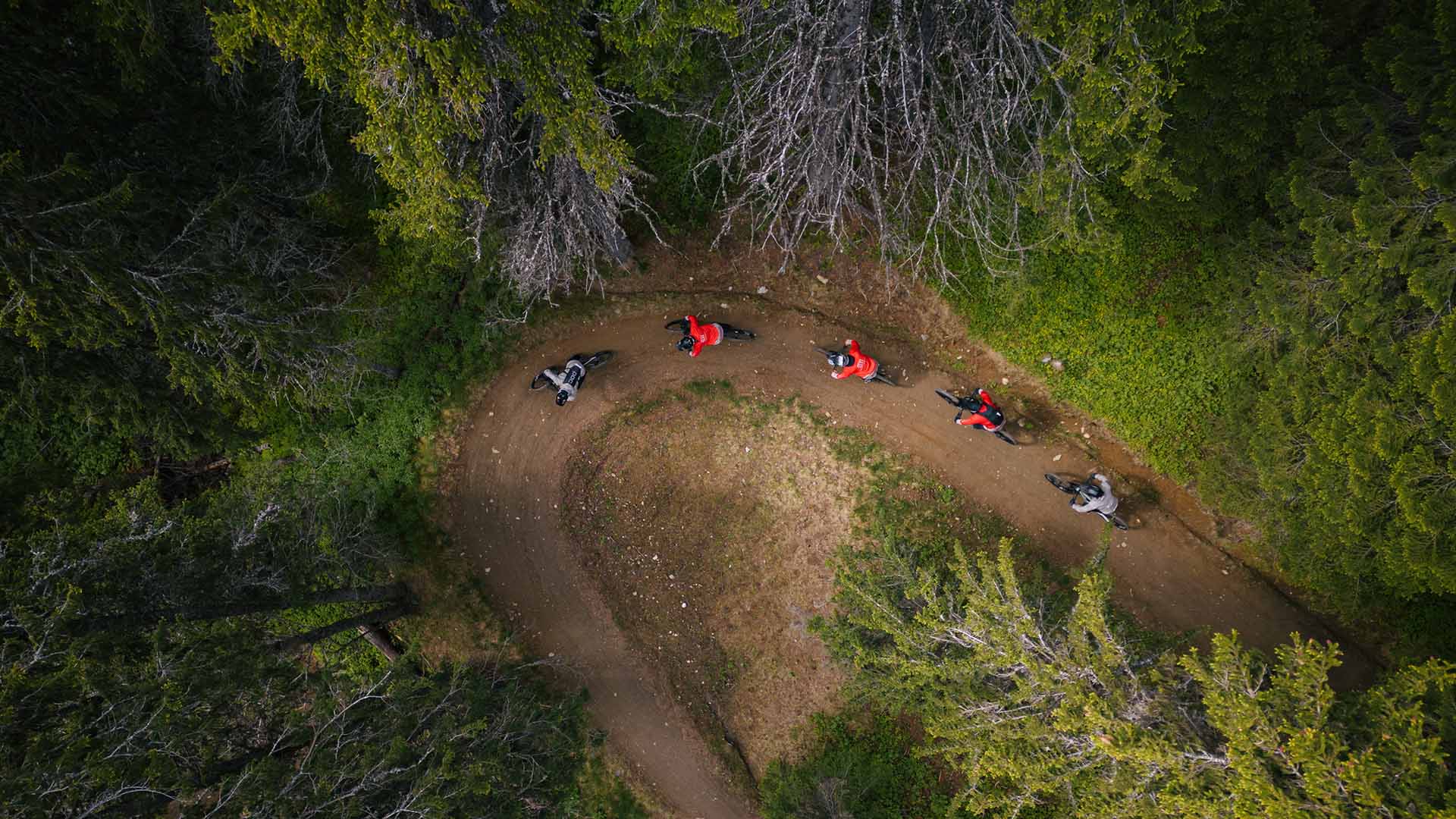
Åre Skidsport
Local shop will well selected street fashion, bike- & ski equipment and rental, boot fitting and ski service. All under the same roof at Åre Square.
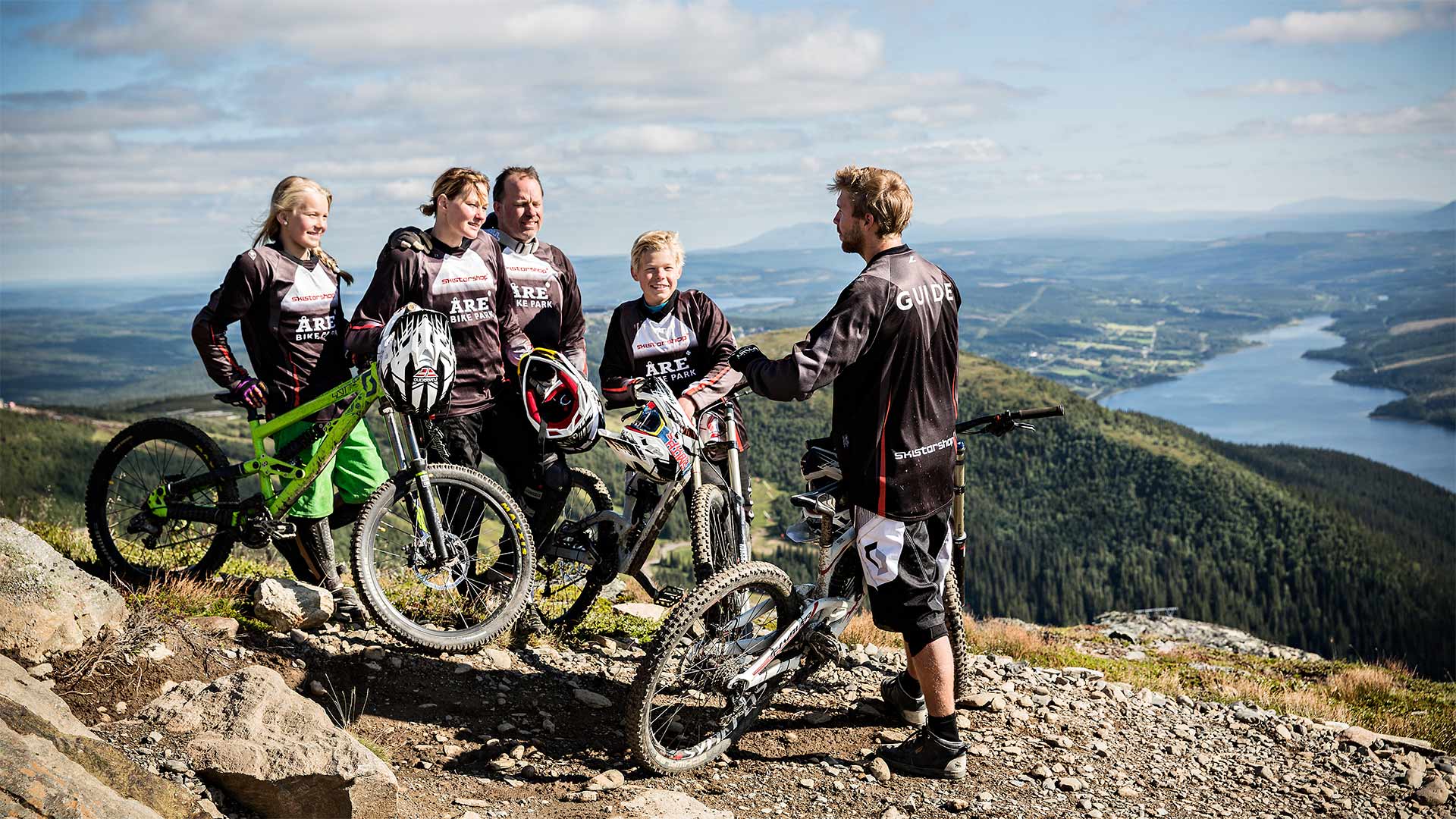
SkiStar Åre Bike Guides
Cycling school and guiding in Åre Bike Park with adapted levels of difficulty for kids, youth and adults, both downhill and XC-biking.

Åre MTB-center
Bike rental and service at Timmerstugan by the lift VM6. Downhill-, freeride-, cross country- and kids' bikes from Giant.

Skidcenter Åre Björnen
Sports shop with rental service and workshop. XC-, ski touring- and alpine skiing equipment as well as bikes summertime. XC skiing lessons.