Åre Nature Adventures
Guided adventure tours all year round. Summer: SUP, moose safari, fishing. Winter: snowshoeing, snow quad, dog sledding, northen light tours.


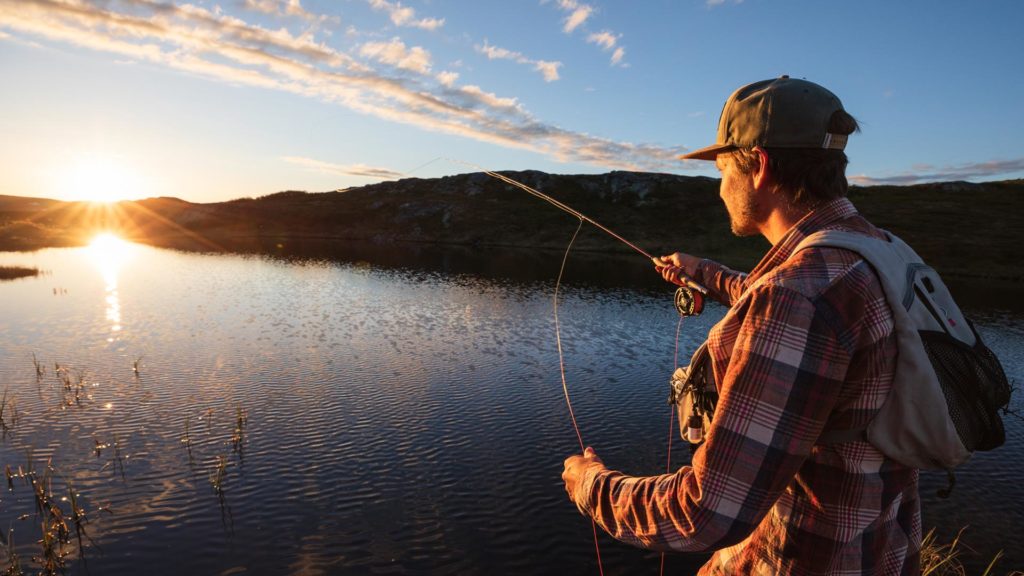
In the right waters, with the right gear and bait, tonight’s dinner is almost guaranteed to be freshly caught. Most likely, it’ll be a trout or char, but lurking in Årefjällen’s deep waters you’ll also find pike, grayling, perch, whitefish and the occasional burbot. Here, we’ve gathered all the information and tips you’ll need to discover your perfect fishing spot, where to get a fishing permit and general advice. Tight lines!
The fishing around Åre is both rich and varied, with some of Sweden’s most productive trout waters. Many of these fishing spots lie close to the source of the Indalsälven, fed by pure mountain water. This means cool temperatures that are perfect for the fish, with plenty of oxygen thanks to the brisk mountain climate and regular rainfall. The rivers are carefully maintained by the County Administrative Board, which digs spawning pits and places stones and logs to improve the habitats.
Around two million Swedes are sport anglers, and if you’re keen to fish in the waters around Åre and western Jämtland, you’ll have a lifetime’s worth of fishing before you’ve seen and done it all. If you’re sharing the day’s plans with the rest of the family, there are plenty of nearby waters to choose from. But if you’ve got free rein and want to find that perfect fishing spot far from the crowds, there are truly endless places to explore – even if they might require a bit of a trek to get there.
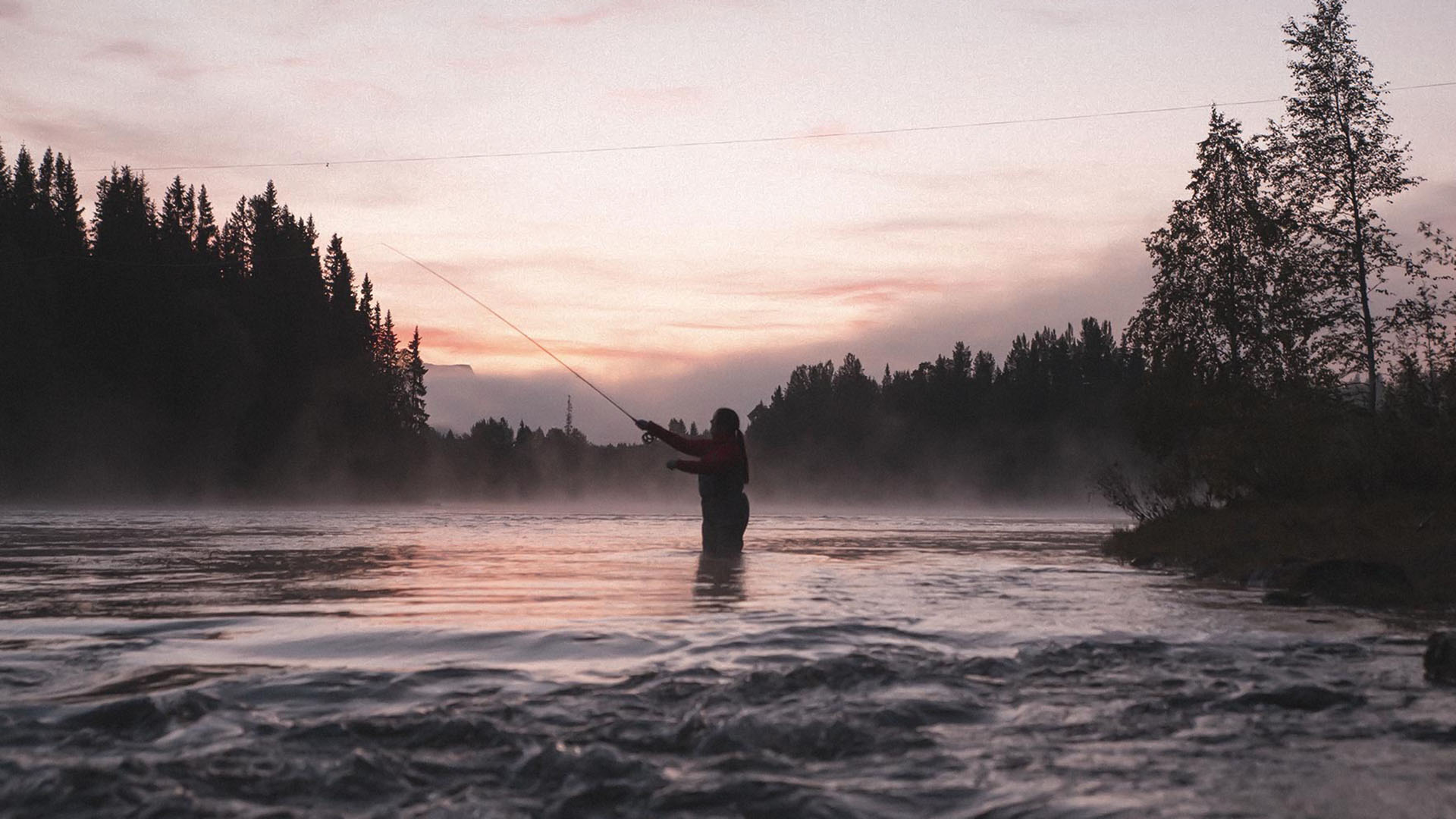
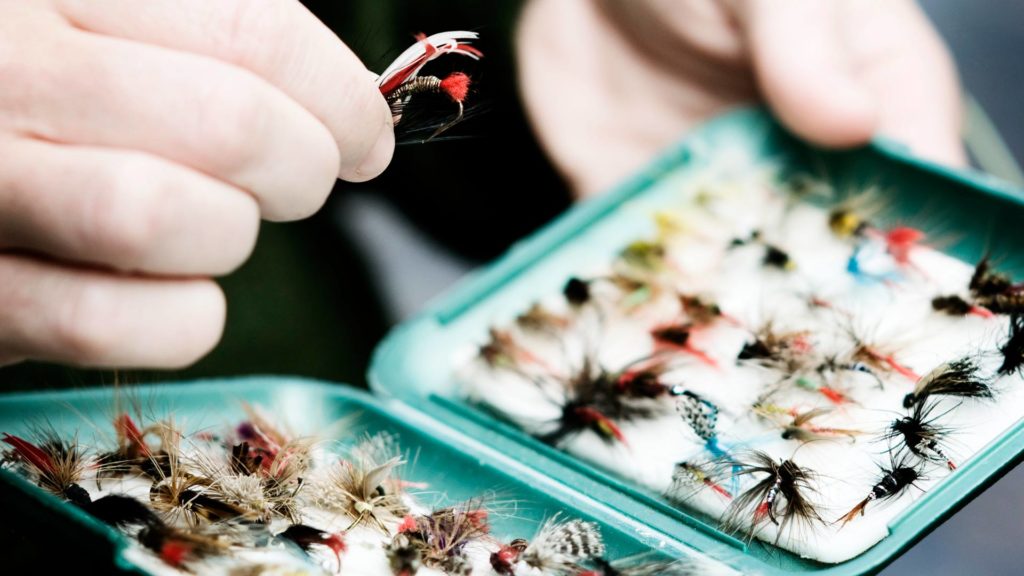
All of Southern Årefjällen has prime fishing waters available with a state fishing permit. Because these spots are often far from the nearest road, you’ll find plenty of space if you’re after peace and solitude. In the waters around Åre, just about anything bites: perch, pike, whitefish, grayling, and of course, arctic char and trout. The average weight for trout is around half a kilo, with the best chances for bigger fish coming in August, when the trout head upstream to spawn. For the best results then, think tiny dry flies or big streamers.
From mid-May until Midsummer, you’ve also got a shot at catching trophy-sized trout as they chase spawning minnows. There’s even more opportunity with streamer fishing before the big dry-fly hatches get going. The stonefly hatch typically kicks in the week after Midsummer and can last up to a month, depending on the temperature shifts.
To fish in a certain body of water, you need permission from the owner and a fishing permit grants you the right to fish. If there’s no fishing permit available, you need to obtain permission directly from the owner. It’s your responsibility to find out the rules before you cast your line. Waters can either be state-owned or belong to private fishing areas managed by other operators, and therefore, regulations and where to apply for fishing permits can vary from one area to another. It’s your duty to know the specific rules for the area you plan to fish in.
At iFiske
Here you’ll find much of what you need to know about fishing regulations in Jämtland. The list and map show connected fishing areas throughout the region, and on each area’s page, you’ll find local information about rules, recommendations, and more:
iFiske – Jämtland
At the County Administrative Board (Länsstyrelsen)
Here you’ll find general information and rules about recreational fishing:
County Administrative Board of Jämtland, general rules
For more information on mountain fishing in Jämtland:
Mountain fishing in Jämtland
Talk to Fjällsport
If you’re unsure and want to speak with local fishing guides who know the waters, feel free to visit Fjällsport in Duved.
Go catch tonight’s dinner! Most likely you will serve trout or char but you might also reel in pike, grayling, perch, whitefish or burbot when fishing in the deep mountain lakes an tarns.
Show more companies
Show more companies
Show more companies
Show more companies