Shorter and easier hikes don’t require much advanced gear. But longer treks in tougher conditions call for better preparation – both in terms of what you wear and what you pack. Sure, you could stock up on the entire outdoor shop, but here we focus on the essentials, along with a few tips to help you get ready for your walk.
Good to know
The weather
Yep – it can shift quickly and dramatically, whatever the season. Check the forecast on SMHI, Yr, Klart, or similar services, and prepare both for what’s expected and for sudden changes. See our clothing tips below for what to carry in your backpack.
Tip: If you’re new to hiking or unsure about conditions, it’s best to avoid exposed mountain terrain on windy, rainy days. Instead, stick to forest trails – they’re easier to follow and offer more shelter from the elements.
Safety first
Keeping an eye on the weather (as mentioned above) is key, but there are a few more things to bear in mind – especially for longer hikes.
- No matter the distance: make a route plan and let someone know where you’re going and when you expect to be back.
- Check the condition of the trail before you set off.
- Bring a fully charged phone and ensure you have coverage. A power bank is always a smart idea.
- For longer outings, consider a satellite communicator (like an InReach).
- Update and bring your first aid kit – even for things like blisters or minor cuts.
- If you’re sticking to marked trails near Åreskutan, it’s unlikely you’ll get lost – and if you do, it’s usually easy to find your way back. For more remote hikes, a map, compass and basic navigation skills are essential.
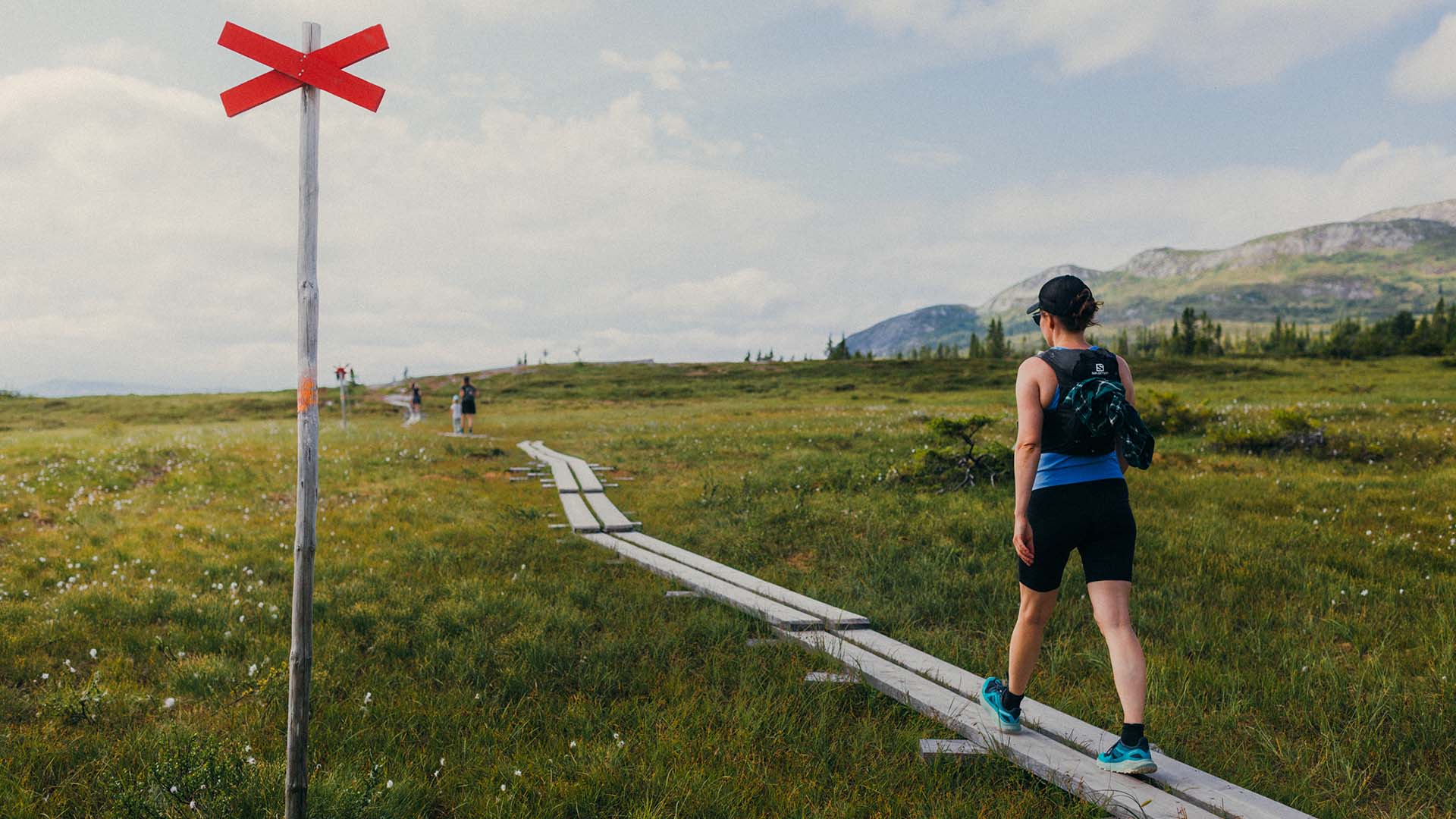 Follow the boardwalk through the peaceful wetlands of Ullådalen.
Photo: Louise Forslycke Garbergs
Water and food
Mountain water tastes absolutely magical – but be mindful of where you collect it. In the highlands, you can often drink straight from streams, but not always. Always fill your water bottle before setting out, whether it’s a short, gentle walk or a longer hike.
- Avoid still water unless it’s from a large lake. Don’t drink from streams where people swim or near mountain stations and accommodation areas.
- If you’re heading out on a longer hike: check the map in advance for water sources. You can also use water purification tablets or filters to lower the risk of getting an upset stomach.
Outdoor meals also taste amazing, so no matter the distance, we strongly recommend packing some food. It can be anything from simple sandwiches to freeze-dried meals or a full picnic with your favourite treats.
- Always bring some extra energy – bars, trail mix or similar – regardless of how short the hike is. You might be out longer than expected, or your blood sugar might drop and you’ll be glad to have a boost.
- For longer hikes: plan how much food you’ll need, how much it weighs, and remember that you’ll burn more calories than usual when hiking. If you’re unsure or want advice, pop into an outdoor shop – staff usually have great experience and tips.
Looking for ideas for outdoor meals? Here you’ll find fun recipes for cooking over a fire or using a camping stove.
What to wear and bring
For your feet
Green and blue trails are relatively easy and don’t demand high-performance footwear. That said, trails can be wet and rocky in places, so shoes with a sturdy sole and a secure fit are always recommended. Red and black trails are more challenging, with rougher and rockier terrain – in those cases, proper hiking or trail shoes, or boots, are your best bet for stability and ankle support.
- Don’t wear shoes that are too tight. Feet tend to swell during long walks, and on downhill sections, your toes may hit the front of your shoes if they’re too short – hello sore toes and bruised nails. This applies to both regular walking shoes and boots.
- Wool socks are a hiker’s best friend – they keep your feet warm in the cold and cool in the heat, even when damp. Choose a thinner pair in warmer weather and thicker ones when it’s colder.
- Wearing two pairs of socks helps prevent blisters!
- If you plan to hike regularly or tackle more demanding routes, go for high-cut hiking boots. They offer better protection from twisted ankles, stubbed toes and wet ground.
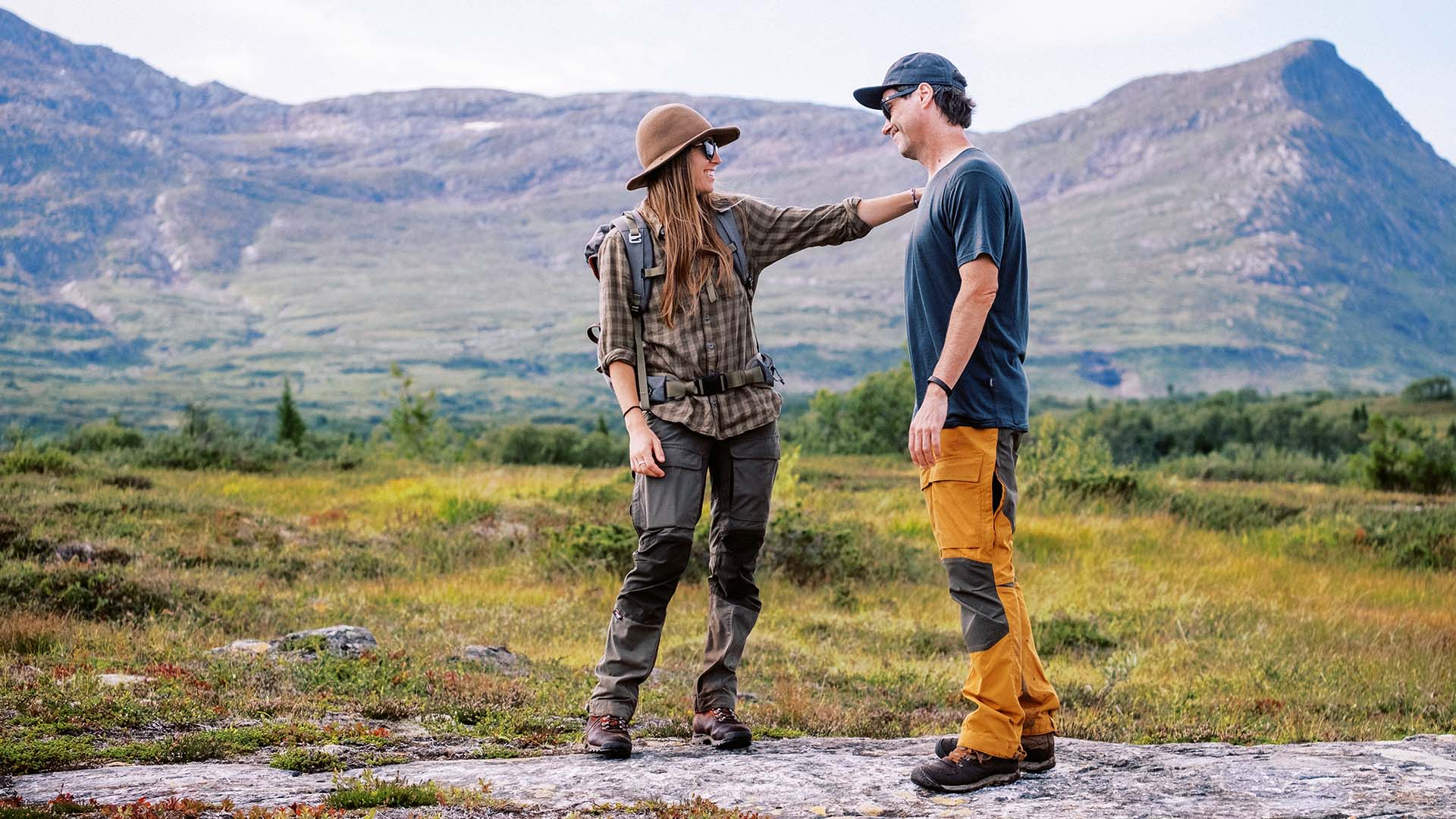 Mountain views in every direction.
Photo: Darren Hamlin
For your body
It might be 20°C in the village of Åre while it’s just 8°C with a biting wind on the summit of Åreskutan. Don’t be fooled by valley weather – conditions change quickly with elevation. Temperature can also vary a lot between places like Åre and Edsåsdalen. If you’re heading up Åreskutan, check the latest weather updates via the SkiStar app or website.
Trail tips from the locals
- Hiking trousers are designed for purpose – with features like ventilation, reinforced seat and knees, and more.
- Lightweight, breathable shirts are great in summer and offer protection from insect bites.
- Base layers aren’t just for winter – thin wool regulates temperature well, keeping you cool when it’s hot and warm when it’s chilly.
- Most important of all: comfort. If you suspect your jeans will chafe, choose softer trousers. If you might get too warm, start with a thin base layer and add or remove clothing as needed.
- For longer hikes, consider bringing a wind sack (emergency bivvy) – a lifesaver if you get caught in serious mountain weather.
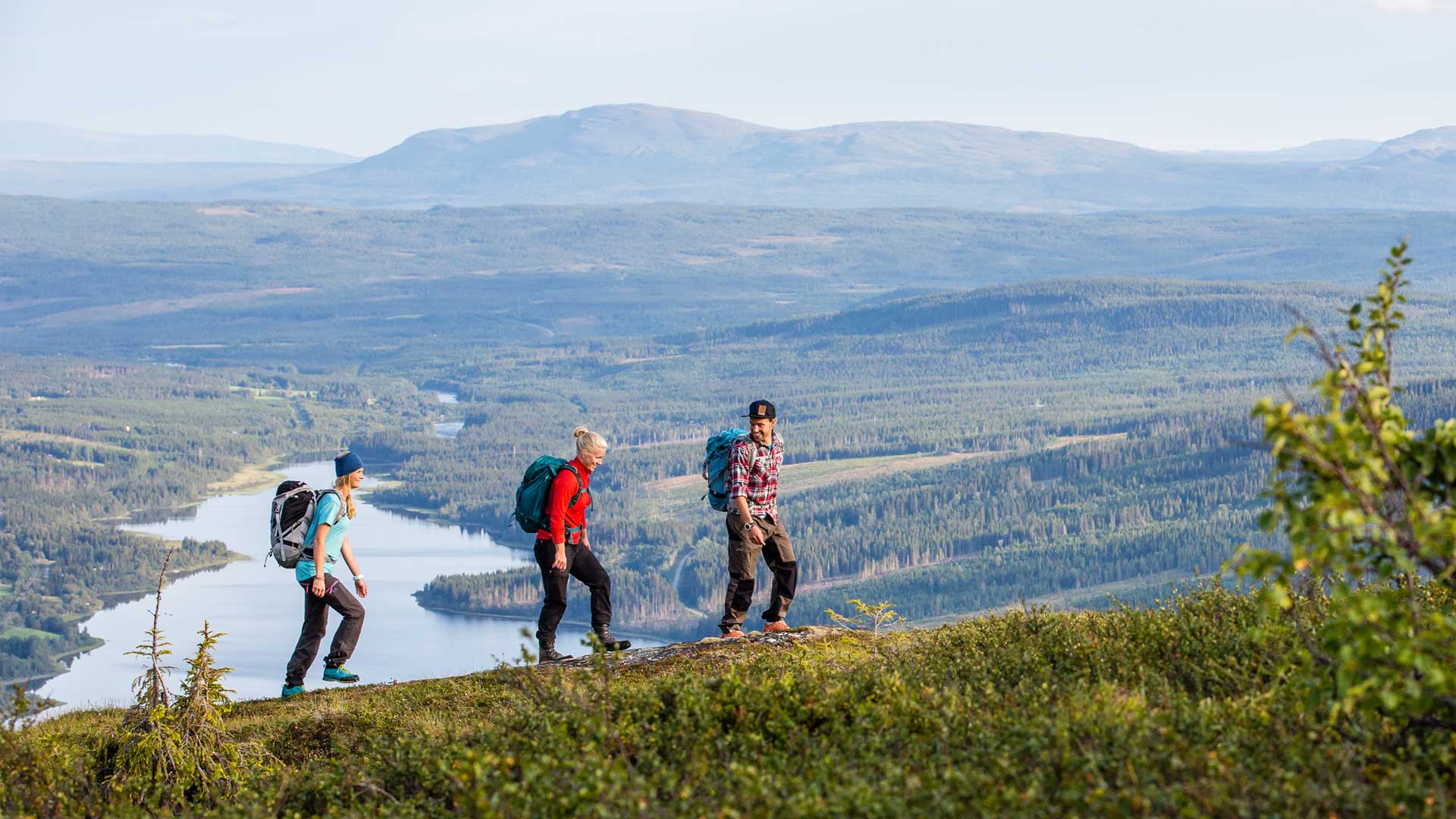
 Take in panoramic views of Lake Åresjön from the summit of Totthummeln.
Photo: Darren Hamlin
In your pack – for a shorter hike
- Dress for the forecast, but bring an extra warm layer just in case, as well as rain gear (often windproof too), and perhaps a hat and gloves.
In your pack – for a longer hike
- Along with warm layers, rain gear, hat and gloves, it’s a good idea to pack an extra pair of socks.
- Bring several layers of clothing. If you get sweaty during the hike, it’s nice to be able to change when you take a break – so you don’t start feeling chilled. Your needs may also change throughout the day, so it’s handy to be able to add or remove layers as you go.
Fuel up
Around Åreskutan you’ll find cafés and restaurants that make for excellent (and delicious) pit stops. If you’re heading further out into the wild, make sure to pack food and snacks – like a sandwich, fruit or energy bars – to keep you going.
Not all restaurants in Åre are open during the summer. Check our Restaurants open this summer guide to see where you can eat and drink.
Top tip: A small bag of mixed nuts, dried fruit and a bit of chocolate makes a great energy boost to keep in your pocket. (Skip the chocolate if it’s a hot day!)
Want to learn more?
The Swedish Mountain Safety Council (Fjällsäkerhetsrådet) offers loads of useful tips for safe hiking in the mountains.
Need advice? Ask the experts
Get some tips and advice from the local experts. Take your chance to update your gear or just ask anything concerning hiking in one of our outdoor stores, in and around Åre. Their knowledgeable and enthusiastic staff can help you with anything from how to dress to where to hike. The companies below offer a variety of outdoor sports equipment, from ski touring gear to fashionable and practical clothing for all seasons.

Explore Åre
Explore Åre offers a wide range of adventures from traditional activities such as fishing & snowshoeing to snowbiking, zorbing & SUP.
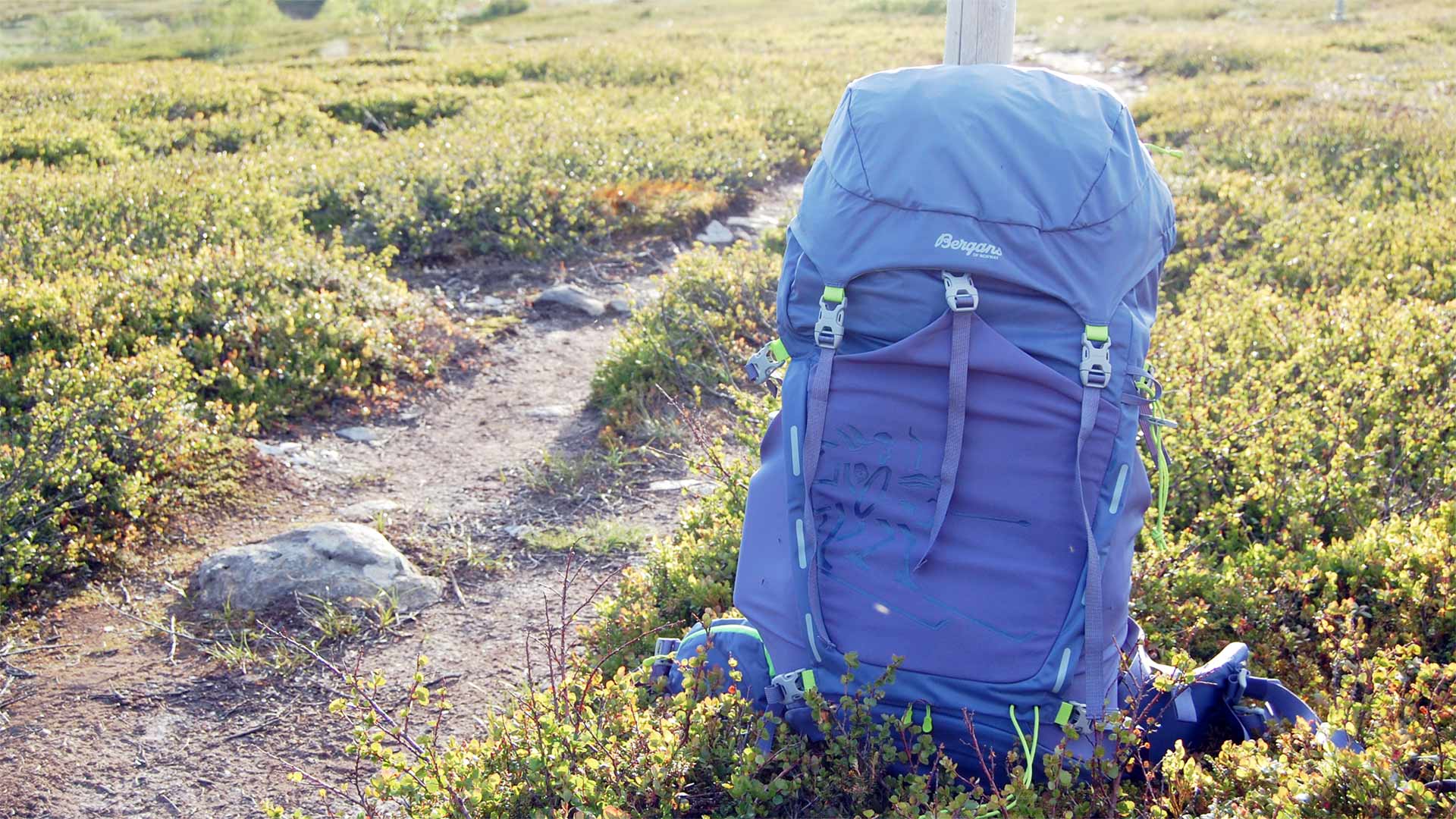
Outdoor Buddies
Clothes and equipment for skiing and outdoor life for rent and sale. E.g. tents, backpacks, sleeping bags, sleeping pads, clothes and boots.
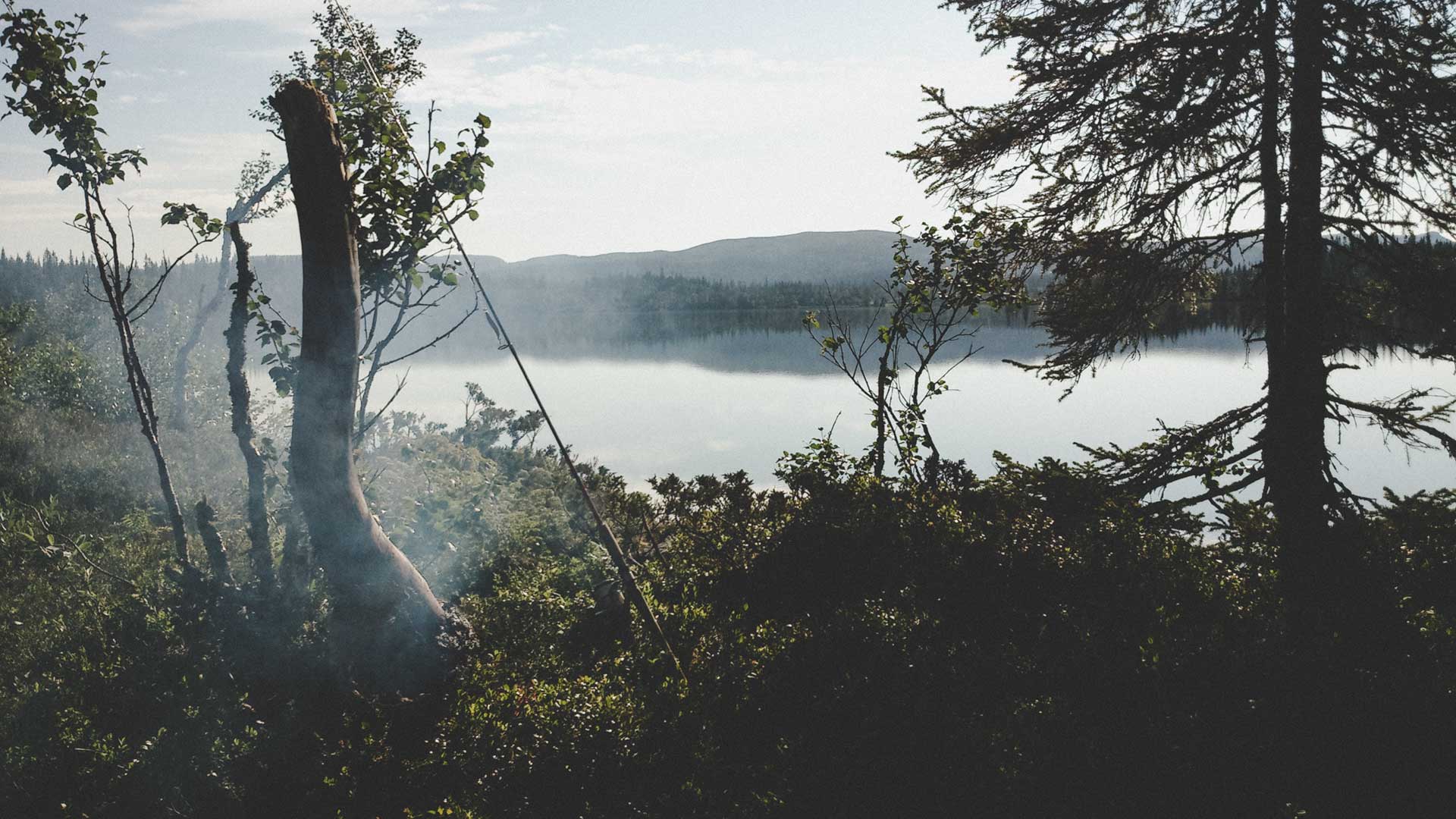
Fjällsport
Sports- and fishing store with a wide range of articles. Fishing licenses and boat rental. During summer guided fishing tours and fly fishing courses.

Åreguiderna
Wide range of activities. Summer – downhill, XC, fly fishing, hiking & SUP. Winter – offpist, cross country skiing, snowmobile tours & snowshoeing.
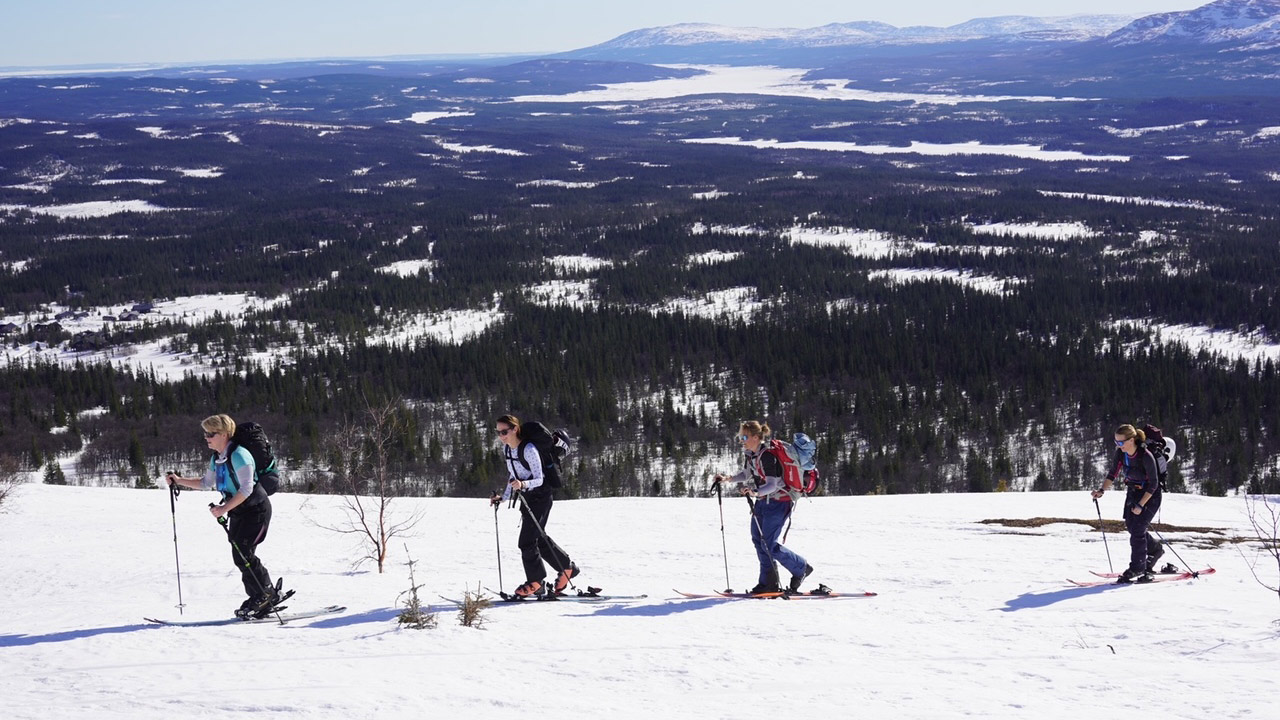
Outdoor Stories
Guide company in Åre with only female guides! Experts on creating an including atmosphere on the mountain, all year around.
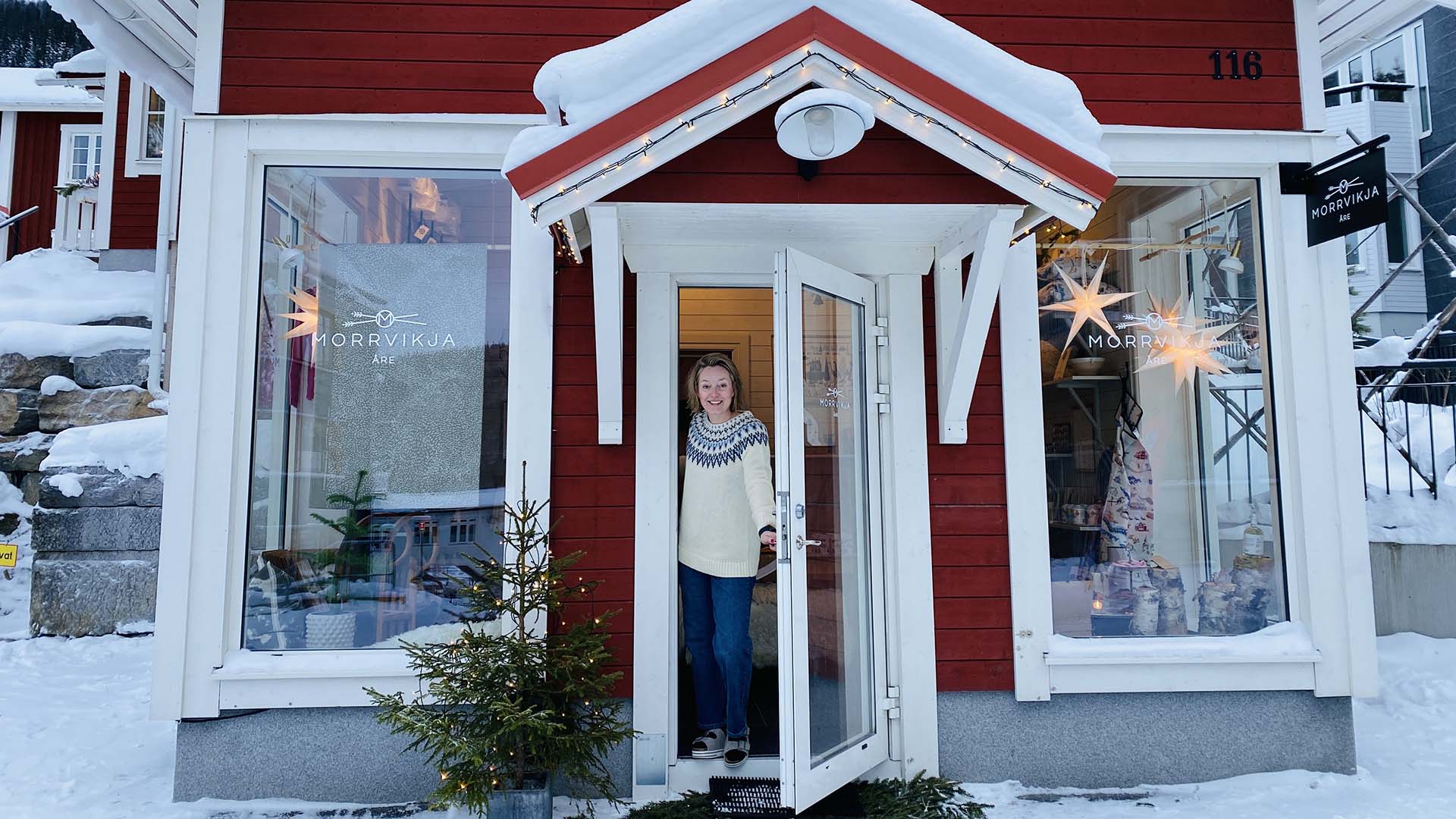
Morrvikja
With a heart for her hometown, Maria takes you on guided historical walks in Åre. Shop with a selection of local crafts and interior.
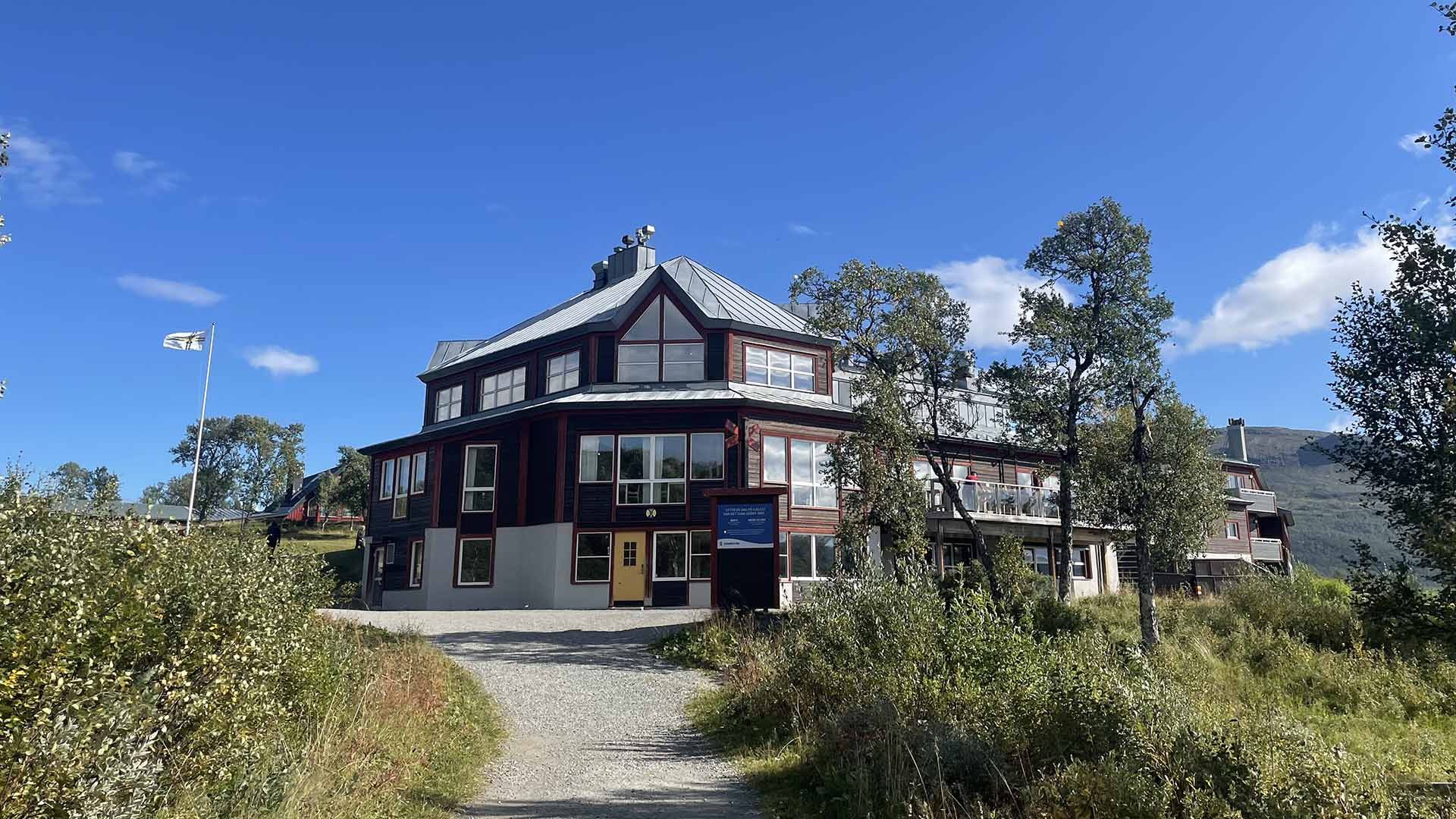
STF Storulvån
This mountain station is beautifully situated in grand Storulvån and offers accommodation, a restaurant and more.