Downhill Mountain Biking
Biking at your own risk. Choose the trail based on your own level of knowledge and experience. Ride with judgment and adjust your speed to the terrain and your own ability.
Show consideration for others. Hikers and others may be on the bike trails. Slow down when you see them, let them know you want to pass and those coming above/behind are obliged to give way. Pay particular attention where the trails join or cross each other. Help others who have been in an accident.
Adjust your speed. Make sure you can stop for unforeseen obstacles. Keep in mind that the terrain changes during different weather conditions.
Be respectful of nature. It is only allowed to cycle on approved cycling trails. Do not disturb the wildlife and pick up after yourself, natural terrain is sensitive.
It is the rider’s responsibility to know the rules. Follow signs and instructions for the lifts and cycling, violators will be prosecuted. If you ride outside approved cycling routes, the lift personnel have the right to confiscate your lift pass.
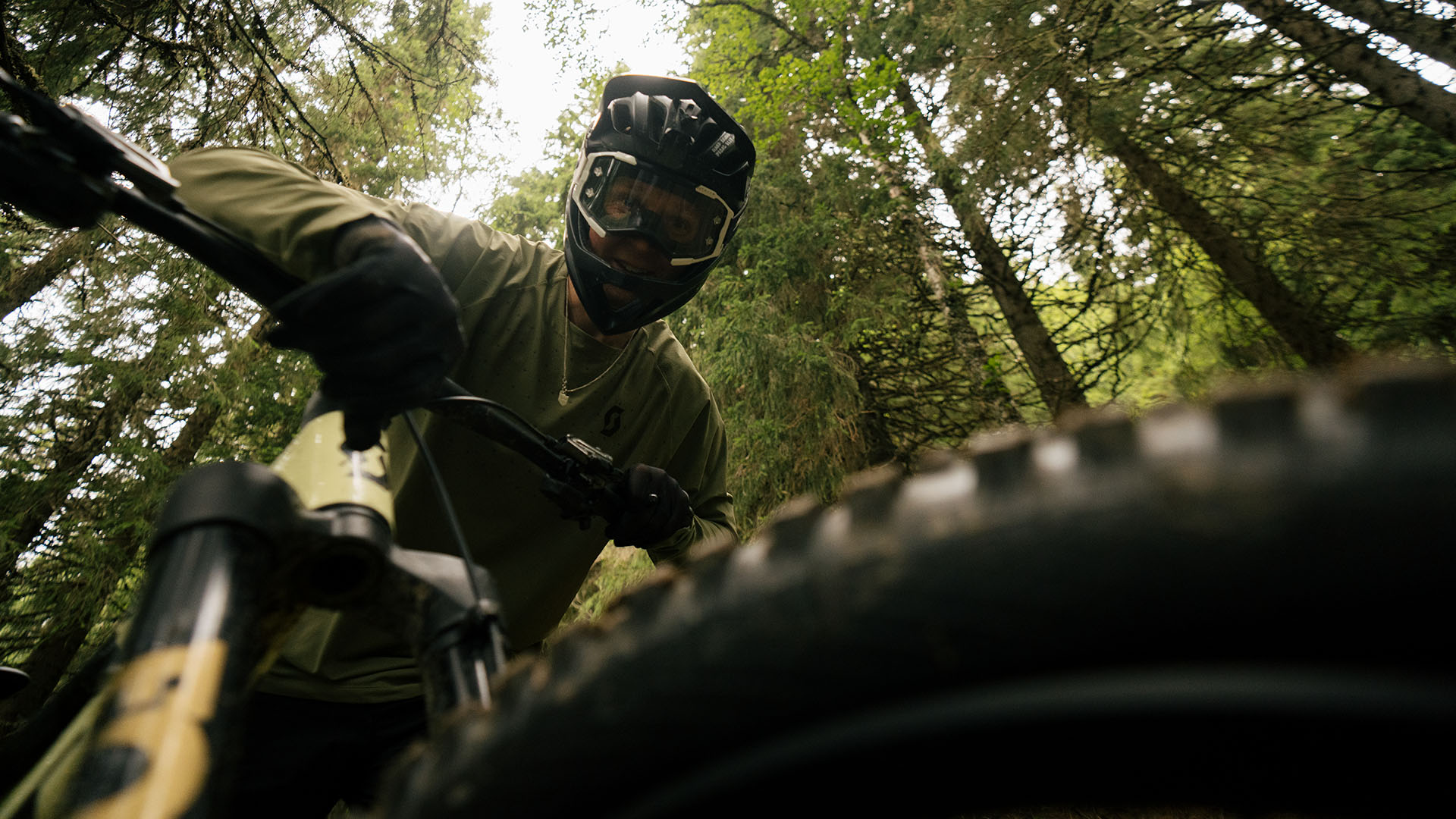
Helmet is mandatory. In addition to mandatory helmets, protective equipment is recommended such as back protection, knee protection and elbow protection.
Drunk and inebriated persons denied. Alcohol and drugs deteriorate judgment and performance, which increases risk for everyone in the area.
The cyclist is responsible for his/her bike. It is the responsibility of the cyclist that the bike does not dirty or damage other persons, the lifts or other facilities.
Trail biking
Ride only on marked trails. The natural terrain is sensitive, cycle only on marked trails Do not disturb the wildlife and pick up after yourself, natural terrain is sensitive.
Show consideration. Hikers and others may be on the bike trails. Slow down when you see them, let them know you want to pass and those coming above/behind are obliged to give way. Pedestrians always have priority in nature and a cyclist should always slow down and make way for hikers and runners. Pay attention where the trails join or cross each other. You as a cyclist are responsible for your own bike, make sure not to dirty or hurt others – adjust the speed for others and your own abilities.
In case of accident/injury. When arriving at accident, slow down, stop where others can see you, show consideration and help when needed. For safety reasons, one should always bring first aid kit and repair kit with a hose, pump, tire lever and multitool.
Adjust your speed. Stopping behind the crowns, curves and steep slopes is particularly inappropriate. Adjust your speed accordingly and make sure you can stop for unforeseen obstacles. Keep in mind that the terrain changes during different weather conditions. Be extra aware that footbridges/ramps can be slippery, especially if it is raining.
Safety. The difference between a good and bad mountain experience is sometimes a fine line, think carefully about your choices and what you’re packing. Dress up accordingly and If you’re unsure, it’s best to ask someone experienced. Finally, always check your bike before the trip. Check that the wheels spin, double check the chain, tires and steering and give the brakes a test.
For longer trips. If you choose a longer trip that takes you up to Renfjället or further away from your accommodation, more thought through clothing is required. Keep in mind that the trails may be wet and that the weather and wind can change quickly. Avoid cotton clothing as they absorb moisture and become cold when they’re wet. For longer trips it’s always good to bring a spare chain, chain lock and an extra tube.