Explore Åre's historic sites
Åre has developed at a furious pace over the last century. But amongst new developments, modern restaurants and guest activities, hides a farmers’ village dating back thousands of years. Experience part of Åre’s long and vibrant history with the tour Husesyn, which takes you on a tour of Åre’s beautiful historical buildings.
The Husesyn tour takes you on a fairly easy walk, mostly on gravel and tarmac roads, through Åre where you can experience 26 different historical buildings and places. Your walk, which takes about an hour, starts and ends at Åre torg (the Square) and there are plenty of signs that will guide you on your way.
Follow trail 231b, which you can find in the digital trail guide Åre Trails, and use the signs for guidance.
A nice complement to the tour is the Husesyn folder Historic Houses – Your Guide to Historic Houses in Åre. which tells you a bit about each place and displays old photos of the places as they used to be.
This folder is available at the tourist information.
Please note that the trail was updated in March 2025 which means that the numerical order of the places to visit in the Huseyn folder is not the same as below. The tour and the brochure has been developed by Åre by & Turistförening.
Tips!
To dive even deeper into Åre’s history, book a guided historical tour of Åre with Maria Wilhelmsson at Morrvikja, who’s family has lived and worked in the area for generations.
A selection of stops along the way
1. Åre bergbana
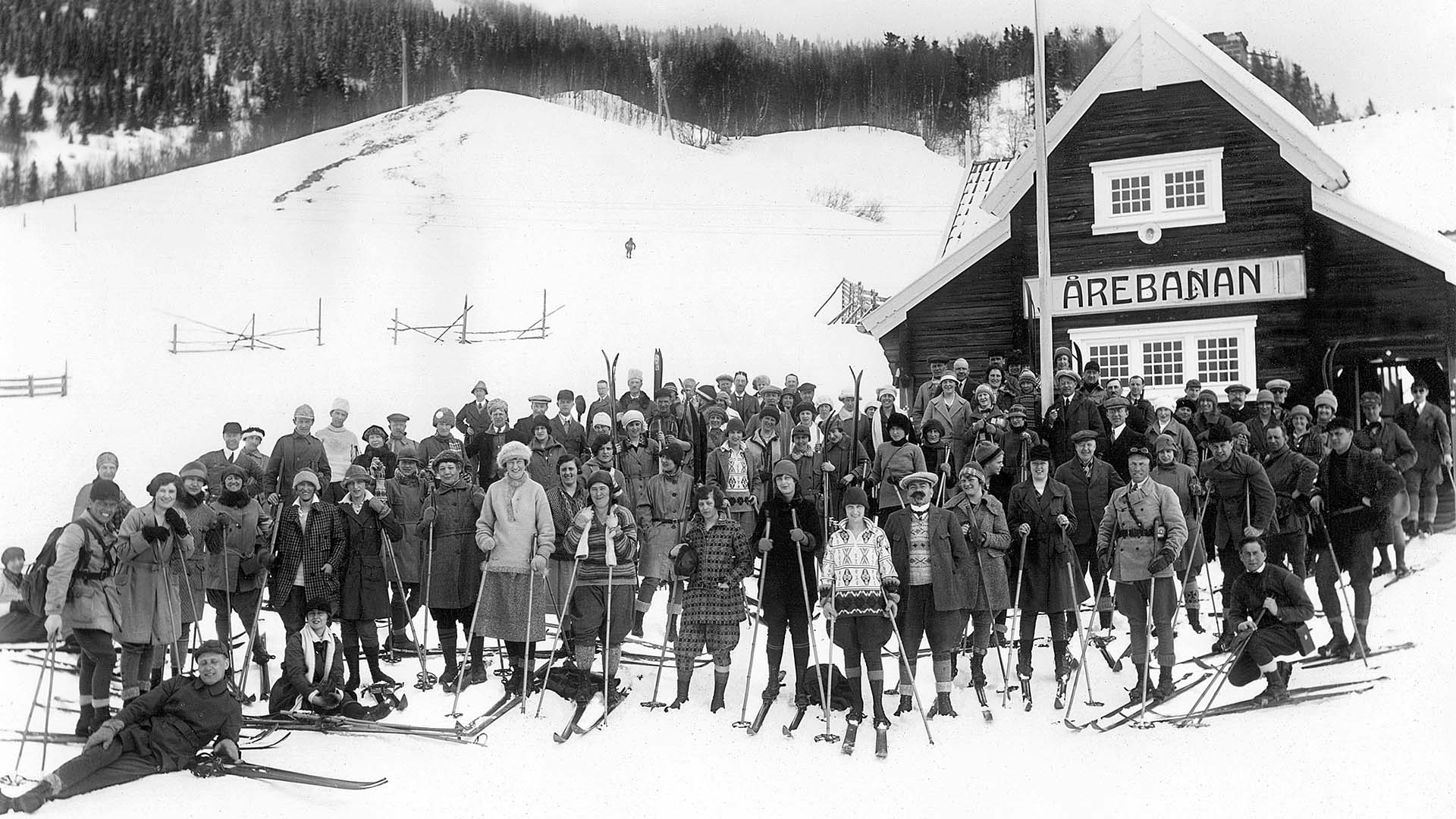
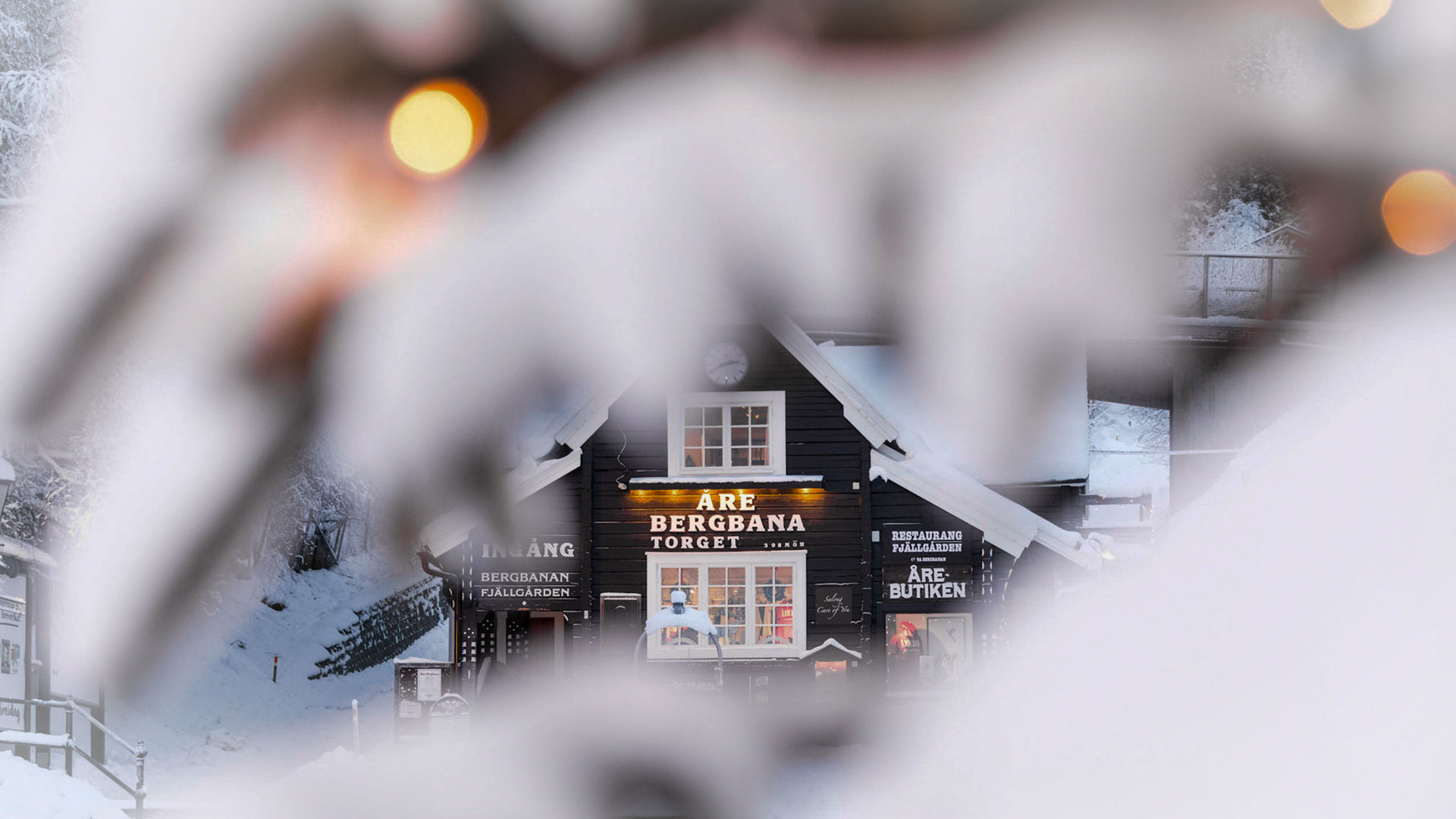
This was Åre’s first ski lift, established in 1910 on the initiative of Carl Olof Rahm, who was inspired by the famous ski resort Davos in Switzerland. The station buildings, designed by Otto Sigfrid Cronstedt, became listed in 2008.
6. Hotel Granen
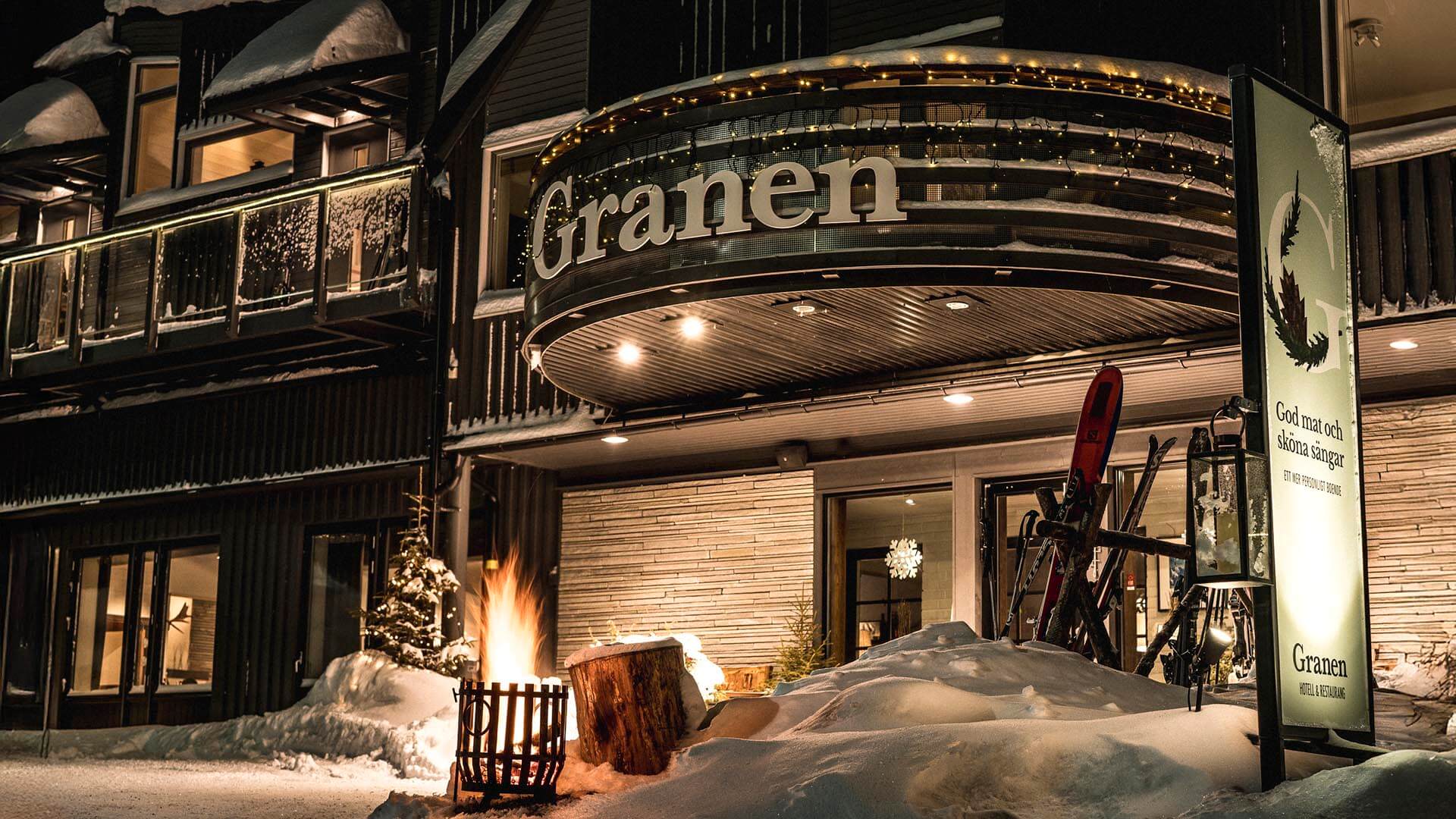
The boarding house Granen was established in 1910 by builder/architect Mårten Ohlson. In the 1930s it was converted into a hotel and during the Alpine World Championships in 1954, the French and German teams were housed here.
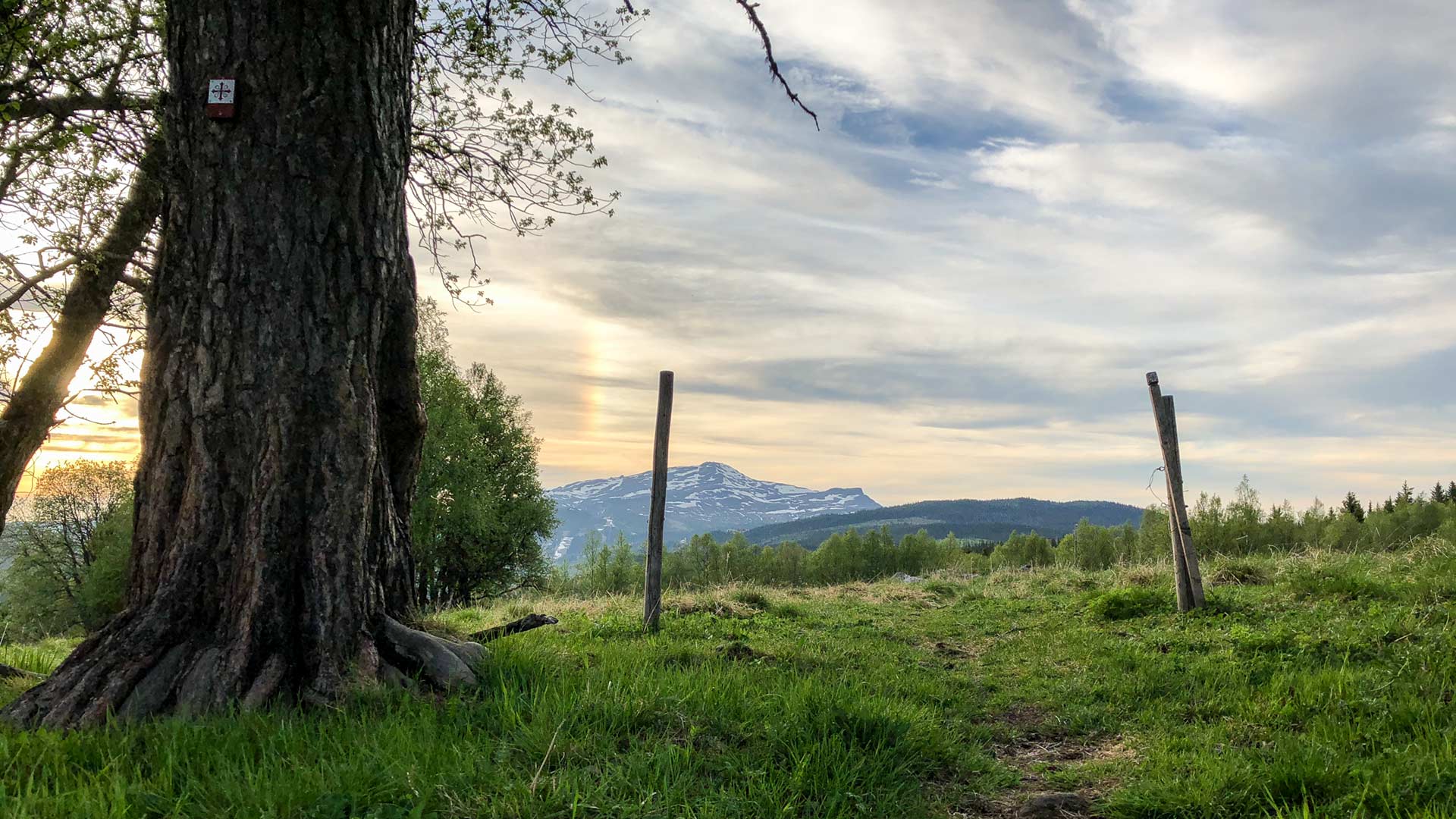
12. St Olav's trail
The 500 km long pilgrimage trail starts in Selånger to the east and continues to Trondheim in the west. The trail is named after Saint Olav, or King Olav Haraldson (also Olav the Holy), who in the year 1030 marched towards Norway to reclaim the throne and Christianise the nation.
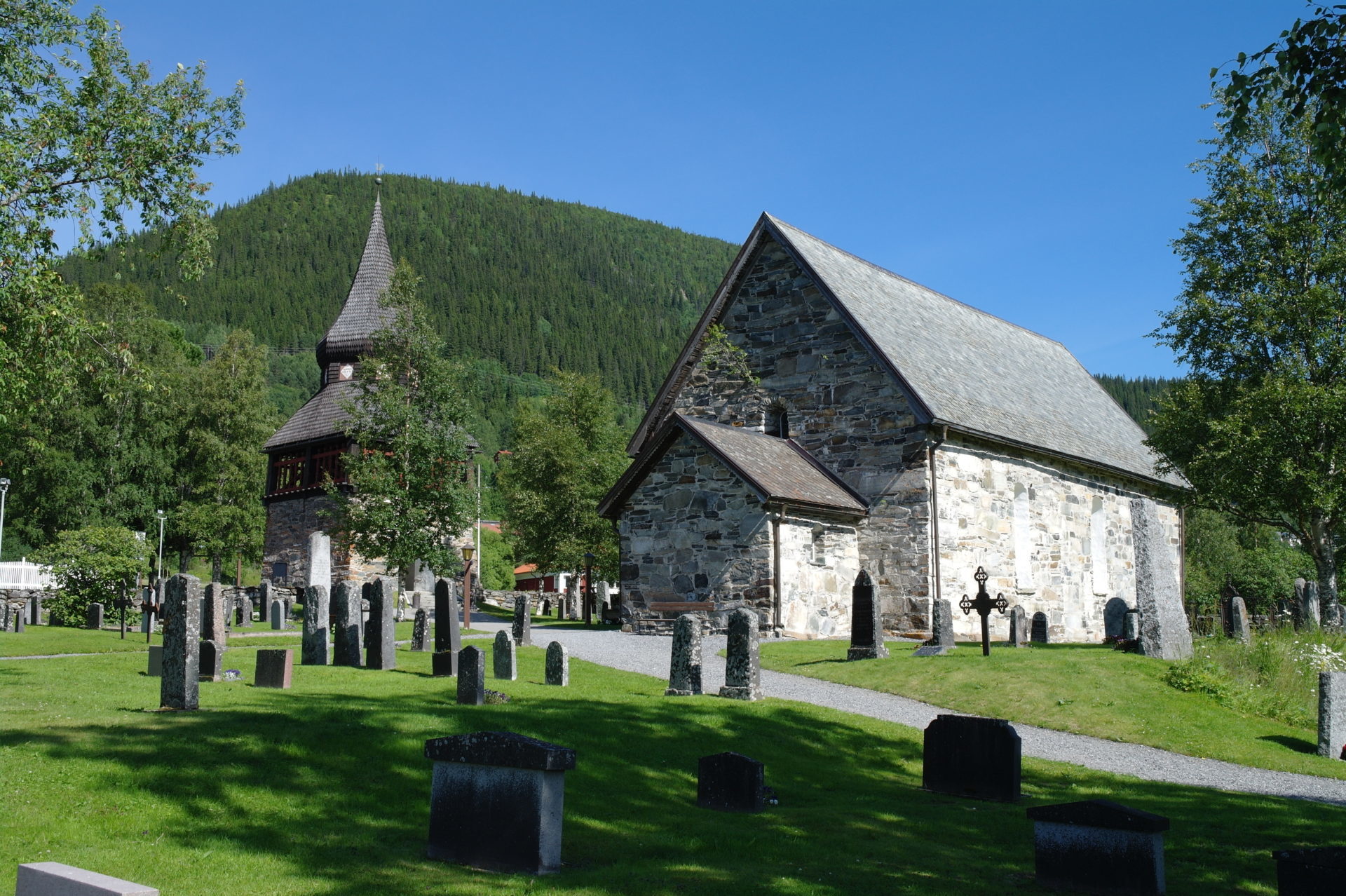
13. Åre old church
This church was originally built in the 12th century and in the 18th century it got its current form and interior. This was a given resting place for the pilgrims on their way to Stiklestad and the Nidaros Cathedral and today it’s the only midieval stone church in the Swedish mountains.

18. Åre square
In step with the expansion of the village, this square has changed its form accordingly over the decades, from parking space to a recurring arena for the celebration of the Alpine Ski World Championships. It’s a gathering point as well as a cross-section of Åre’s history.
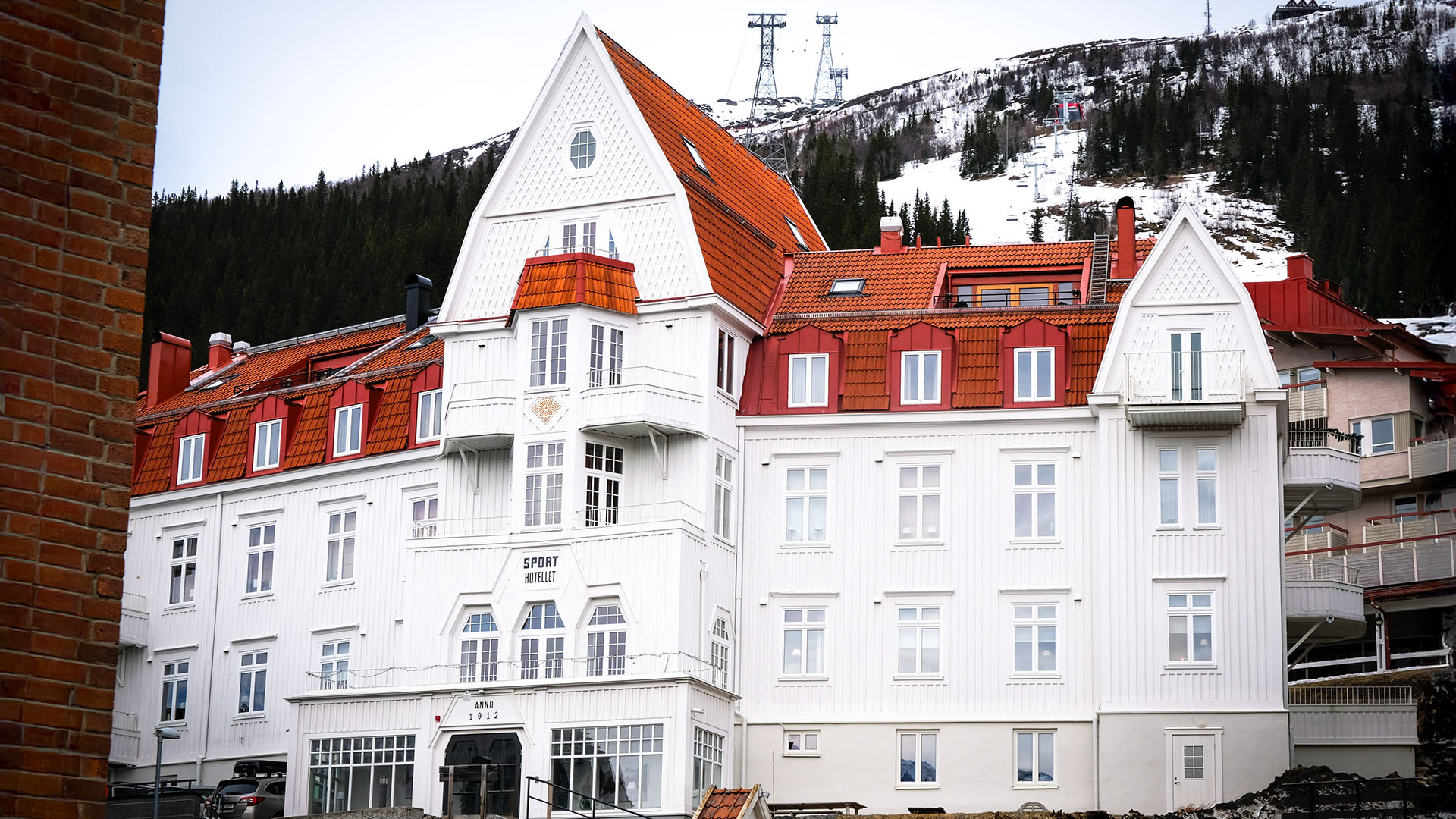
26. The sport hotel
Sporthotellet, then known as the New Grand Hotel, and later Sporthemmet, was finished in 1912 and with 68 rooms, it became the largest hotel in Åre. The building has had many functions, from hotel to seasonal residence and, today, it houses both guests and local businesses.
Map of Husesyn in Åre

1. Åre Bergbana (Åre Funicular)
2. Gunnargården
3. Mårtenvillan
4. Strandbergsvillan
5. Villa Solbränna
6. Hotell Granen (The Granen Hotel)
7. Villa Årebo
8. Villa Jamtbol
9. Tott (The Tott Hotel)
10. Tottens by (Village of Tott)
11. Åre Fjällkuranstalt (Åre Mountain Sanatorium)
12. St Olavsleden (The St Olav Trail)
13. Åre gamla kyrka (Åre’s Old Church)
14. Torvtaket
15. Åre skola (Åre School)
16. Åregården (Hotel Åregården)
17. Hemslöjdshuset
18. Åre torg (Åre Square)
19. Peak-huset
20. Villa Tottebo
21. Grottan (The Cave)
22. Åre Station
23. Grands Restaurant & Grand Hotel
24. Thomassons gård
25. Benamsgården
26. Sporthotellet