

The Swedish Right of Public Access
Thanks to Sweden’s unique Right of Public Access, you are free to roam the countryside, pick berries and mushrooms, and even camp almost anywhere. Nature – and this right – belongs to everyone. It’s a wonderful privilege, but it comes with responsibilities. The good news? Following the rules is simple – and helps protect the outdoors for all. Here you’ll find guidance on what you can and cannot do, and where. Thank you for showing care and respect!
Is the Right of Public Access a Law?
Strictly speaking, the Right of Public Access isn’t a single law, but rather a principle protected under Sweden’s Constitution (Chapter 2, Section 15). What you’re allowed to do – and not do – is outlined in various legal acts, such as the Environmental Code, the Land Code, and the Penal Code.
“Don’t Disturb, Don’t Destroy”
The Right of Public Access gives you freedom, but also requires respect – summed up by the golden rule: Don’t disturb – don’t destroy.
This means:
- Always show respect for nature and wildlife: keep your distance, avoid disturbing animals, and stick to marked trails and paths (especially in the mountains).
- Leave places the way you’d like to find them: clean, quiet and undisturbed.
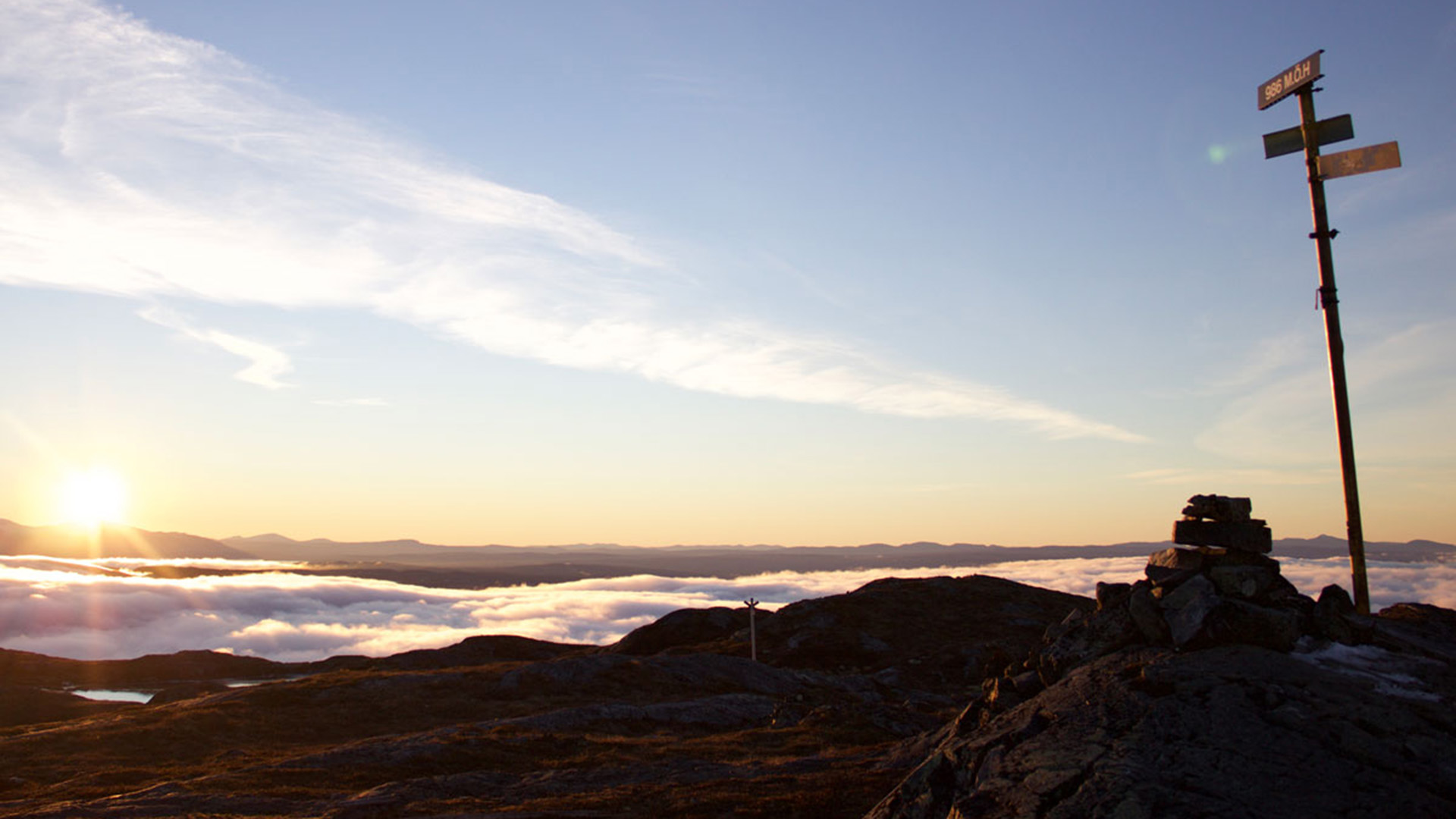
What Applies in the Swedish Mountains?
You are more than welcome to enjoy hiking, biking, skiing and other adventures in the mountains – but please remember that this environment is especially sensitive and requires extra care. In short: Leave no trace – and leave the place as you’d wish to find it.
A few key points
-
Do not disturb grazing reindeer or cause them stress. During calving season (April–June), it’s especially important to give them space.
-
Check if you’re in a national park or nature reserve – different rules may apply. For example, in protected areas like Vålådalen and Tännforsen. You’ll find more information on the County Administrative Board’s website or at sverigesnationalparker.se.
1.
Stay on the official trails and use the footbridges when the ground is wet, regardless of activity.
2.
Cycling is not permitted in certain areas. See the County’s Administrative Board’s website for more information.
3.
Motor and electric vehicles are subject to certain rules. See the County’s Administrative Board’s website for more information.
4.
You may only light fires in areas where it’s allowed. Use ready to use fireplaces or your camping stove.
5.
Leave no trace. Everything you brought with you is also coming home with you. Remember to compress and sort your waste before disposal.
6.
You’re welcome to go camping but choose your spot carefully. Keep your distance to trails, huts and bodies of water.
The Do’s & Don’ts
It’s not hard to do it right and in accordance with the Right of Public Access. Below is a guide to the do’s and don’ts when in nature. Our source is the Swedish Environmental Protection Agency and you can find more information and activities than those listed below on their website.
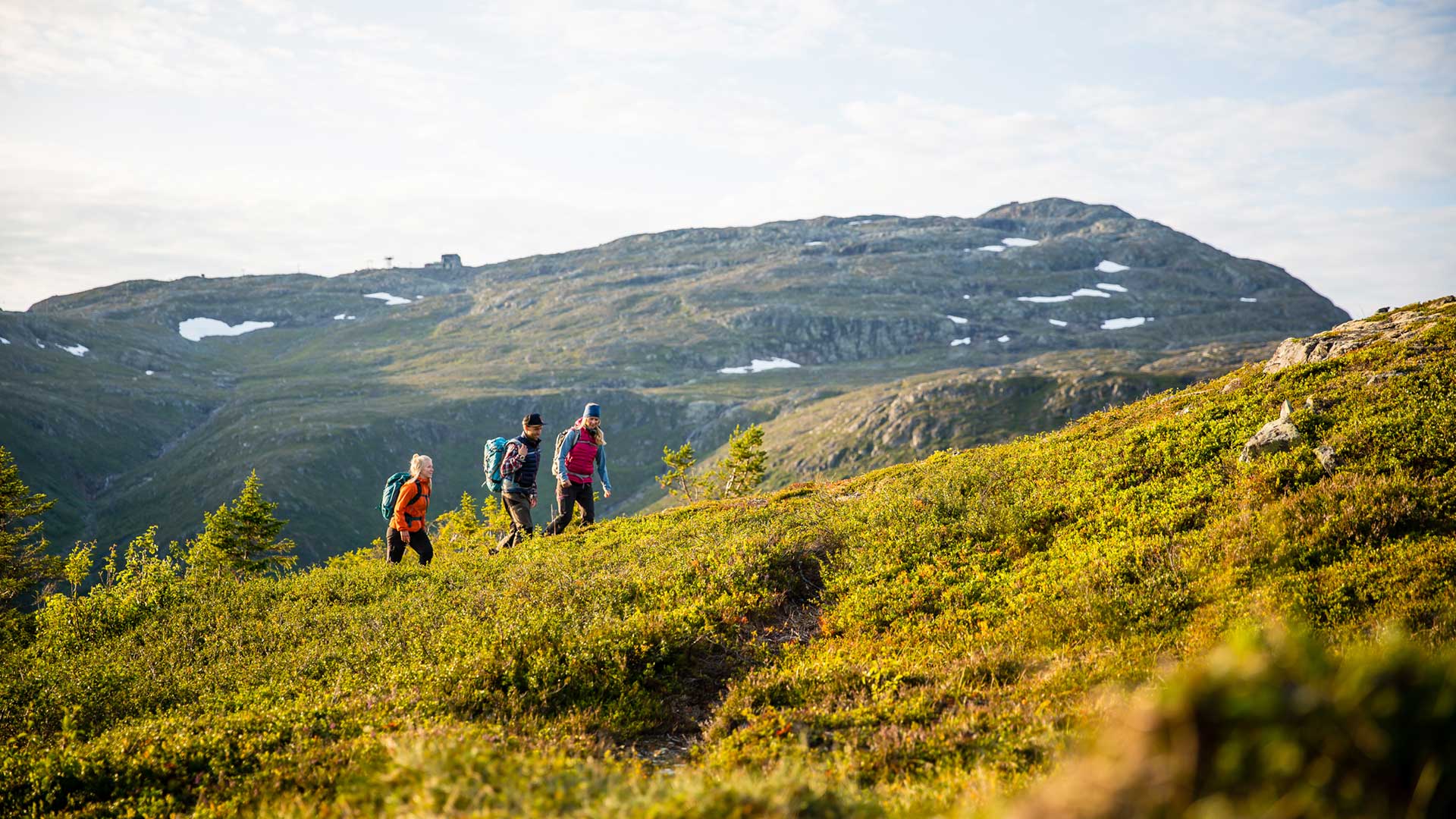
Hiking
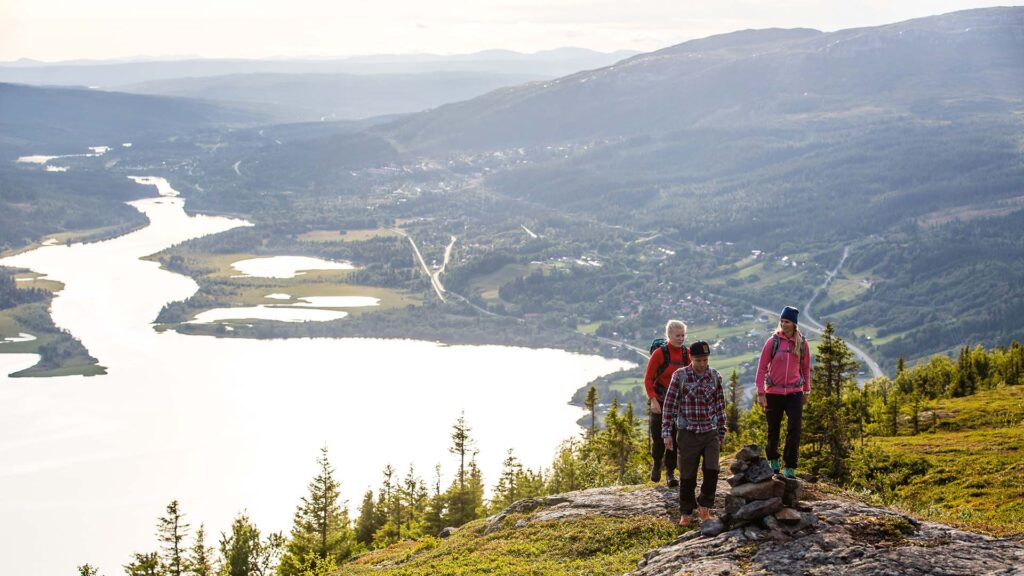
- When passing someone’s house, make sure to leave some distance to their property. If you wish to stay and have lunch, for example, keep an ever bigger distance.
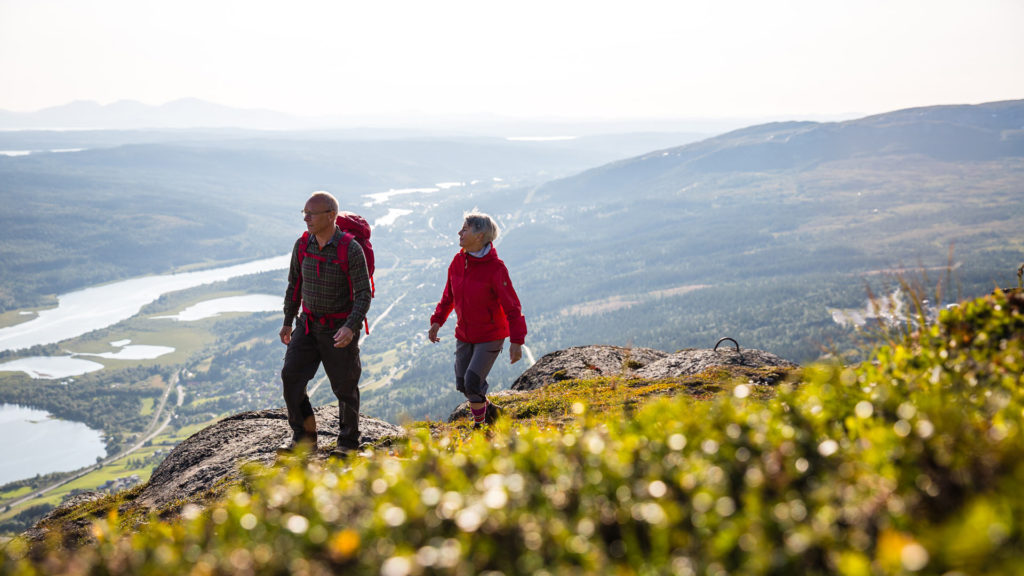
- Keep to dry ground and use available boardwalks if the trail is wet. For information on sensitive trails, go to Åre Trails or talk to the locals.
- Do not walk on farm land or in newly planted forests. Make a detour to avoid the risk of ruining someone’s crops.
- Keep a distance to grazing animals and make sure to close the gate, if you’re walking in a fenced area.
- Always keep a distance to wild animals and stay on the trails.
- Bring a bag to collect your waste and left-overs in. Take it home with you, sort the waste and throw it in the right bin.
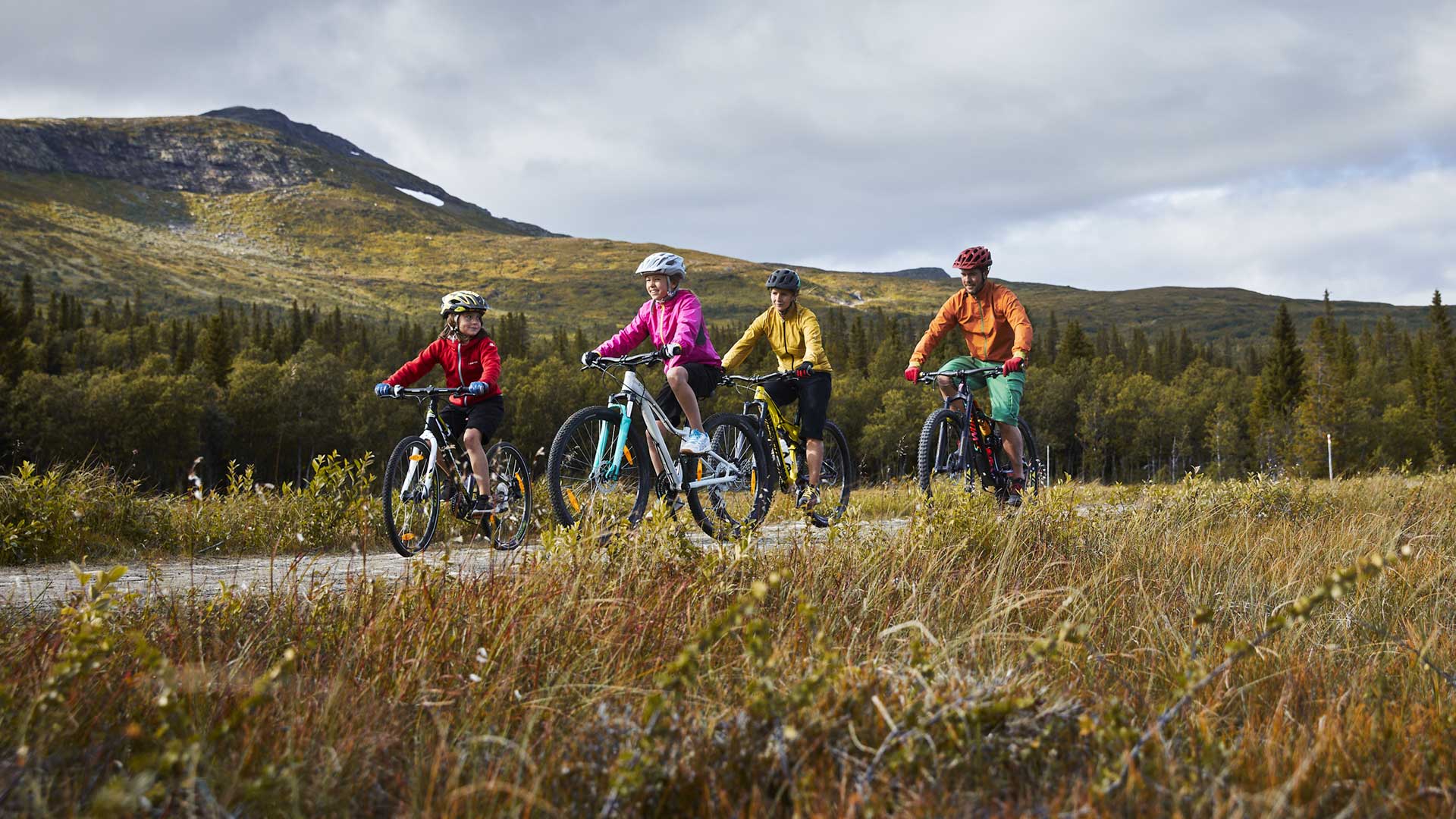
Cycling
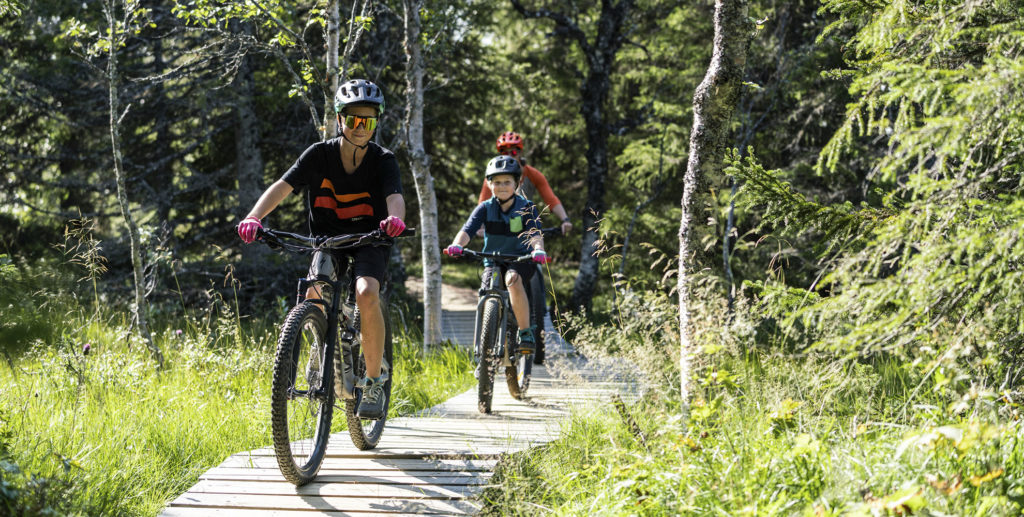
- Keep to the designated trails. Avoid soft ground, especially in the spring and autumn when the ground is wet. Dry and frozen ground have higher resistance to wear and tear.
- Take a detour to avoid sensitive ground like stony outcrops where lichen and moss grows, mires, soft meadows, wetlands and bogs.
- Avoid trails where your bike’s wheels might make a big mark.
- Take detours around plantations, gardens, park plantings, forest plantations and other sensitive areas.
- You’ll often share the trail with hikers and others. Please slow down when you meet other people, horses and dogs that might get spooked.
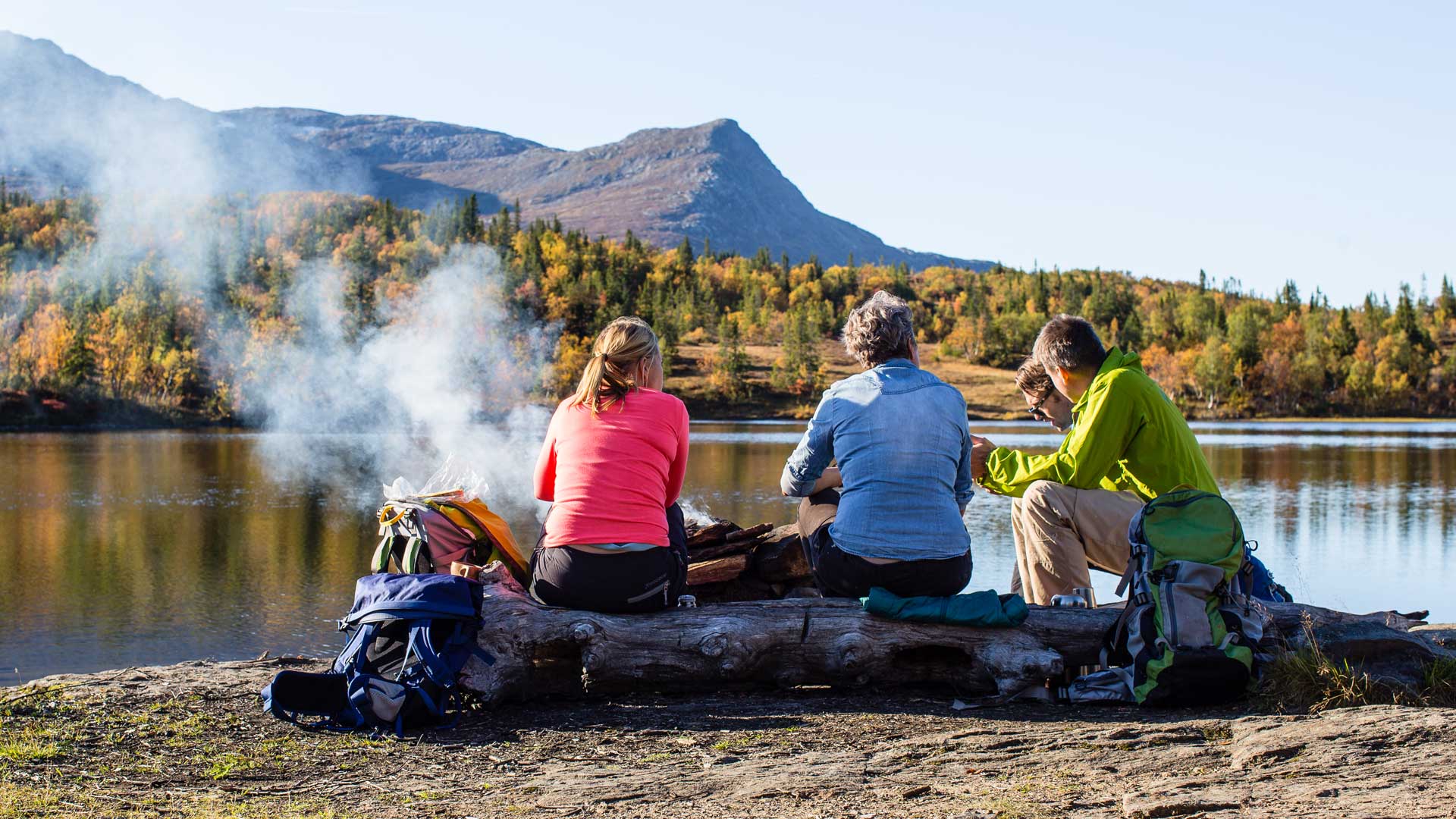
Making Fires
- Use designated fire places and if that’s not available, choose gravel or sand. Do not make fires on stony outcrops.
- Keep an eye on the fire all the time and make sure it’s put out before you leave.
- A good tip is to root through the ashes to make sure there are no embers left.
- Make sure there’s water, or sand, to put the fire and embers out.
- Before you head out: Make sure there’s not a fire ban in place. Choose food that doesn’t require a fire under dry conditions.
- Bring all your waste and left-overs home with you.
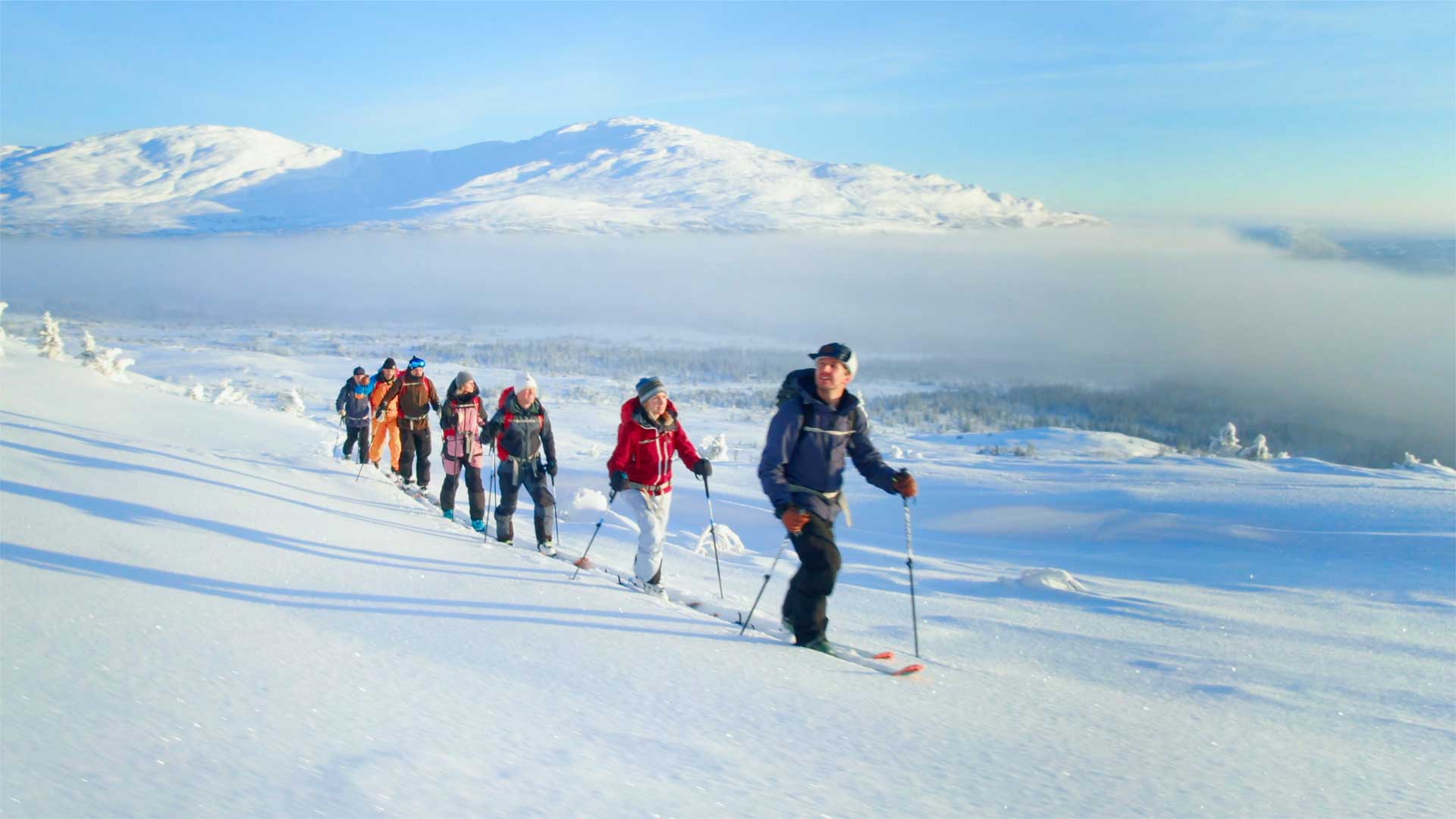
On Snow & Ice
- You can walk, skate or ski almost anywhere, as long as you don’t disturbe or destroy the ground or vegetation.
- Pass houses and huts with a distance and don’t cross someone’s property or disturb their zone of privacy.
- Bring a bag to collect waste and left-overs in and bring it home with you.
- If you’re walking in the winter, prepared cross-country trails are off limits unless otherwise stated.
- Increase your distance to houses and properties if you wish to stay in a place for a bit.
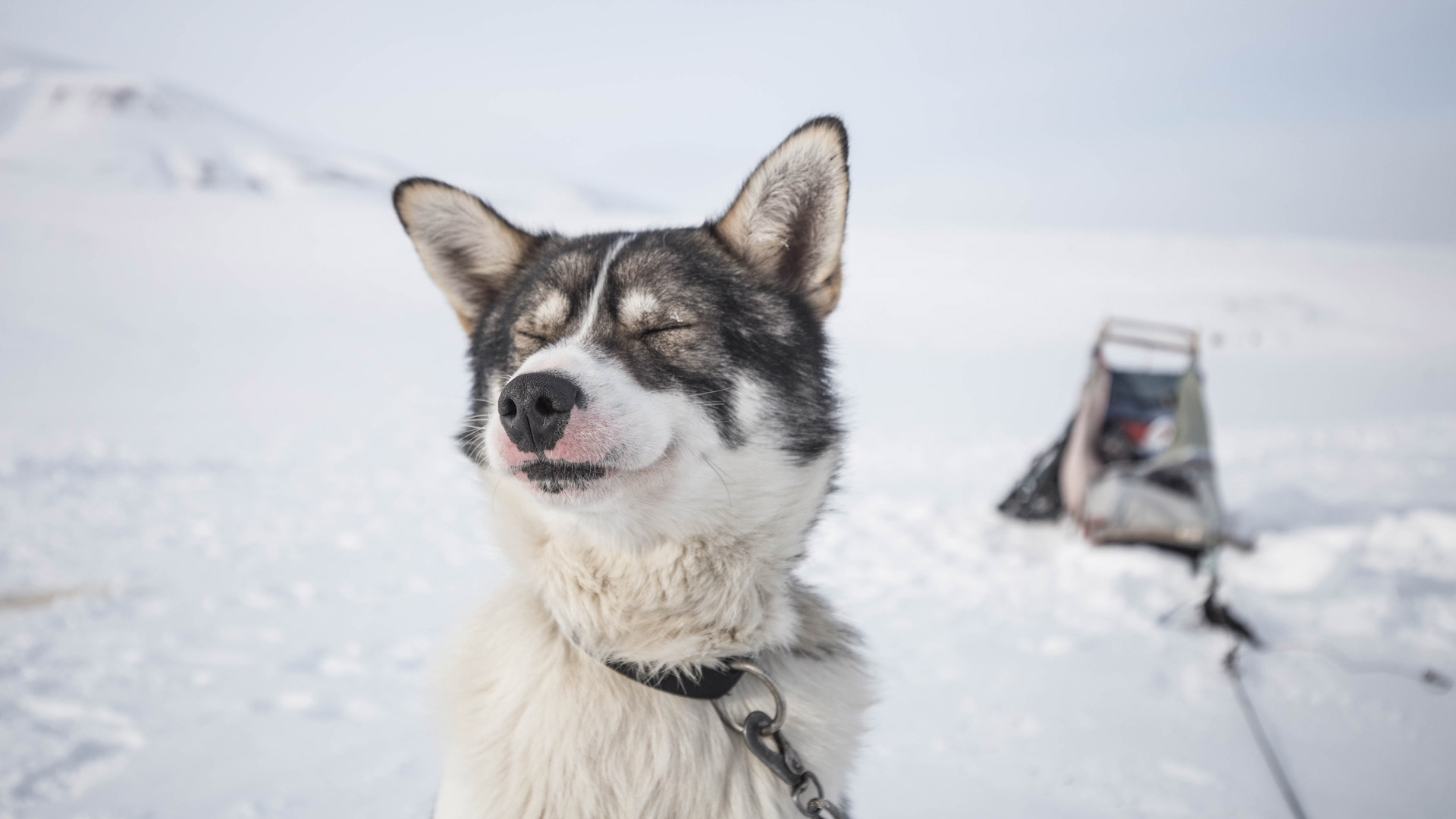
In Nature with Dogs
- Always keep your dog on a lead from March 1 to August 20 (when wild animals have their young).
- Always keep your dog on a lead when close to grazing animals and in reindeer lands. Make sure your dog don’t disturb ground hatching birds and other smaller animals.
- Always keep your dog on a lead when you’re in national parks and nature reserves.
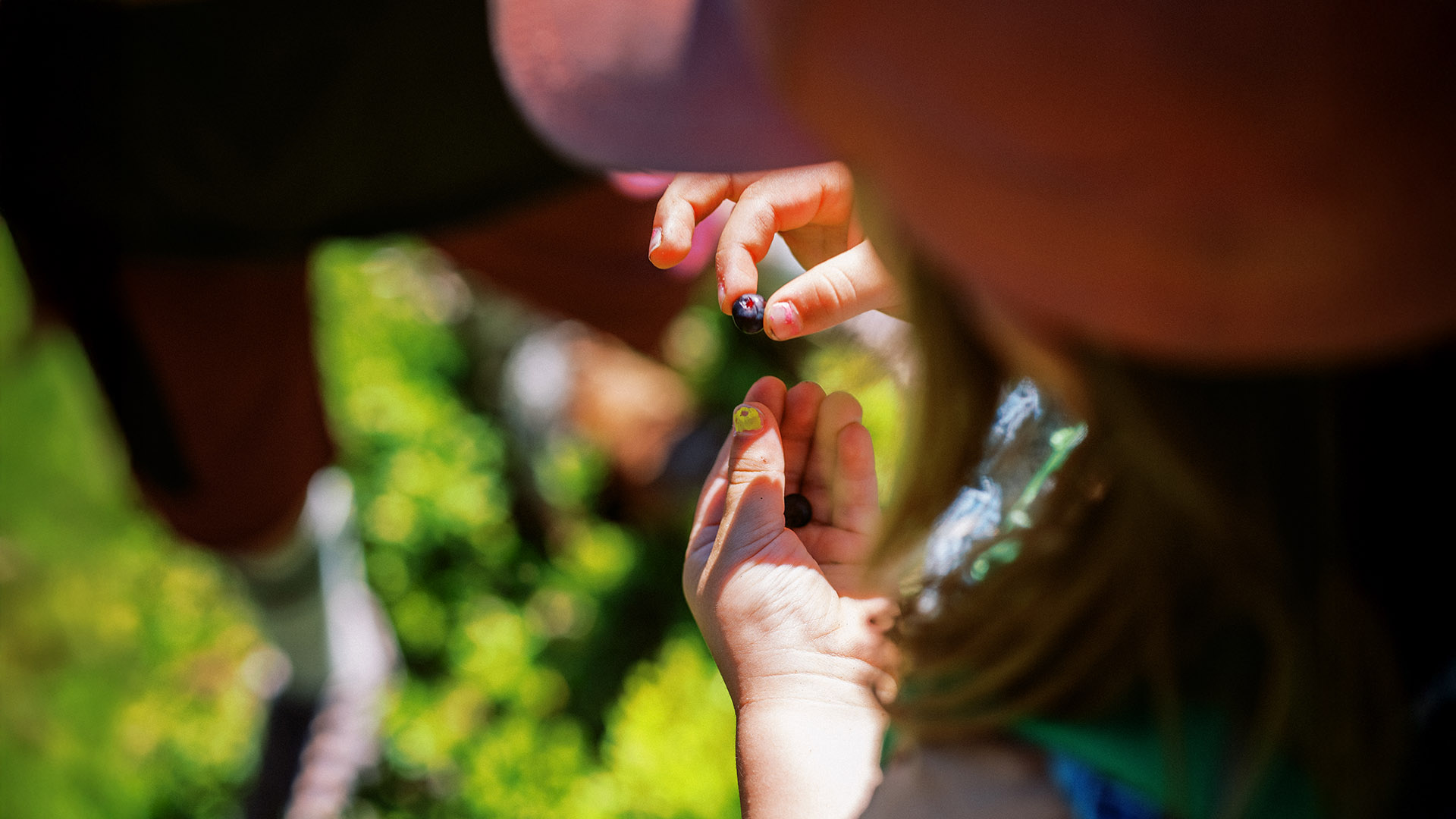
Picking Stuff
- Only pick branches, cones and nuts that are already on the ground.
- Only pick flowers, berries and mushrooms that aren’t protected. Find protected species here.
- Make sure you know what rules apply in protected areas such as national parks and reserves. Special rules may apply.
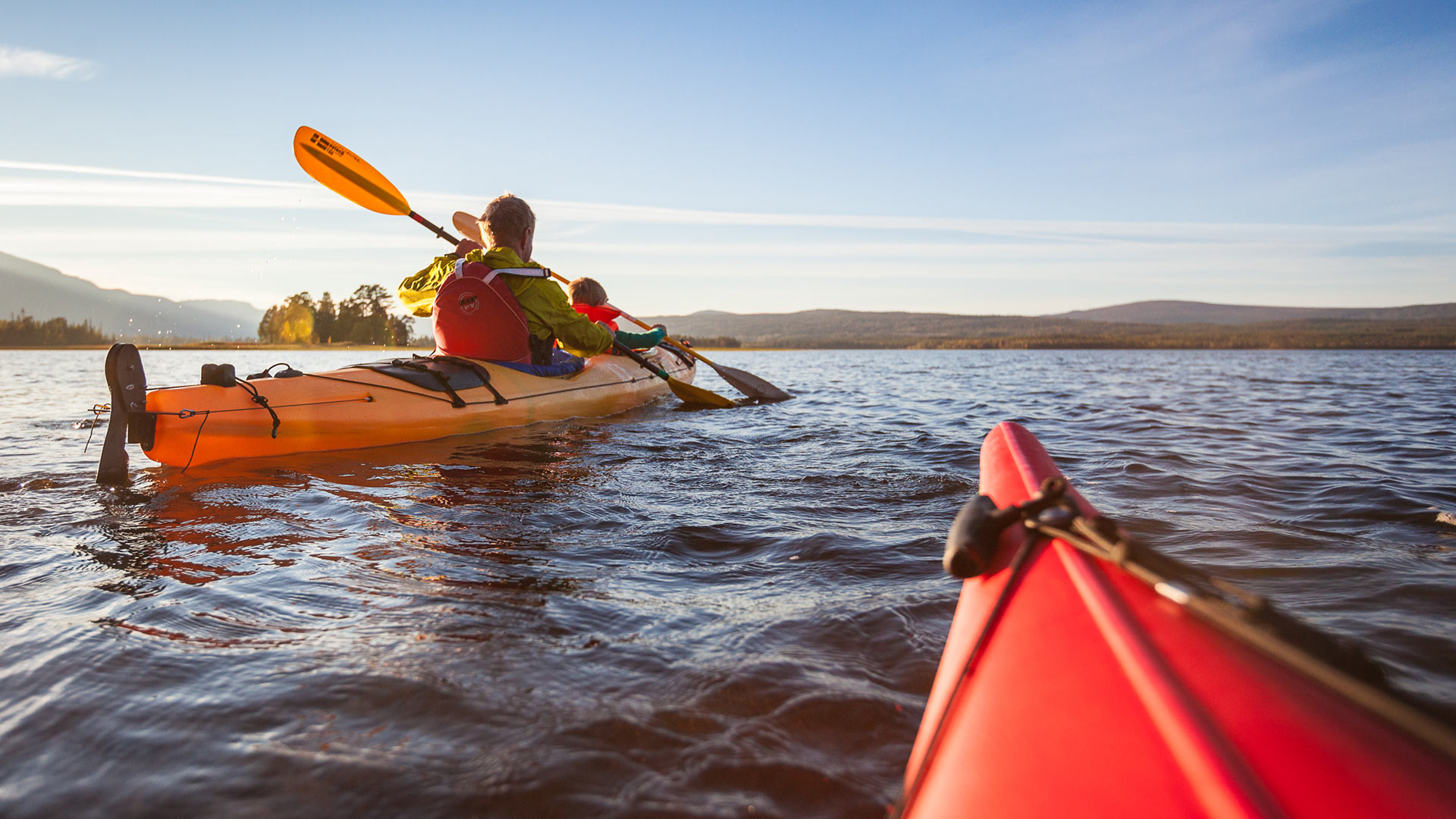
On Water
- You may spend time on a jetty or pier, or a beach, which is outside anyone’s property.
- You need to leave the jetty or pier if the owner wants to use it.
- Keep your distance to nesting birds.
- Keep track of any bird protection areas in the area you wish to visit.
- Use a bucket with tight-fitting lid if your boat lacks a toilet with a septic tank. Empty buckets etcetera at designated latrines.
- Bring a bag in which you collect your waste and left-overs. Bring it back home with you.
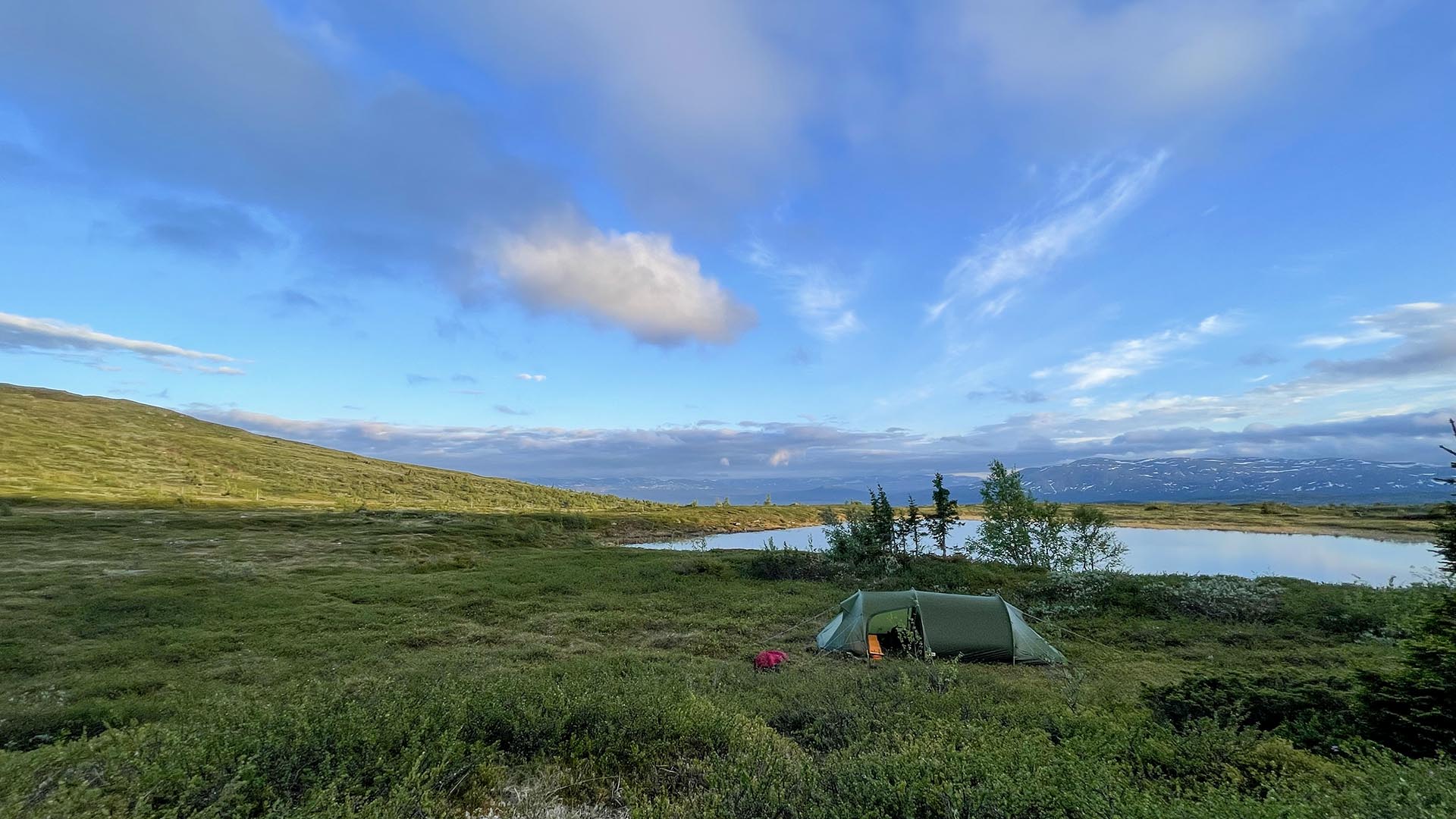
Camping (tent)
- Put your tent on solid ground. Avoid sensitive ground, pastures and agricultural land.
- Choose a spot away from houses. The more private the better.
- Don’t overstay. One or two nights is a good rule of thumb.
- Bring a bag in which you collect your waste and left-overs. Bring it back home with you.
- If you are a larger group, you need the land owner’s permission to put up more tents.
- Pee a long way away from bodies of water. If there’s no toilet or privy, dig a pit for feces far off trails and camping sites. Cover it with dirt or a rock (see more below).
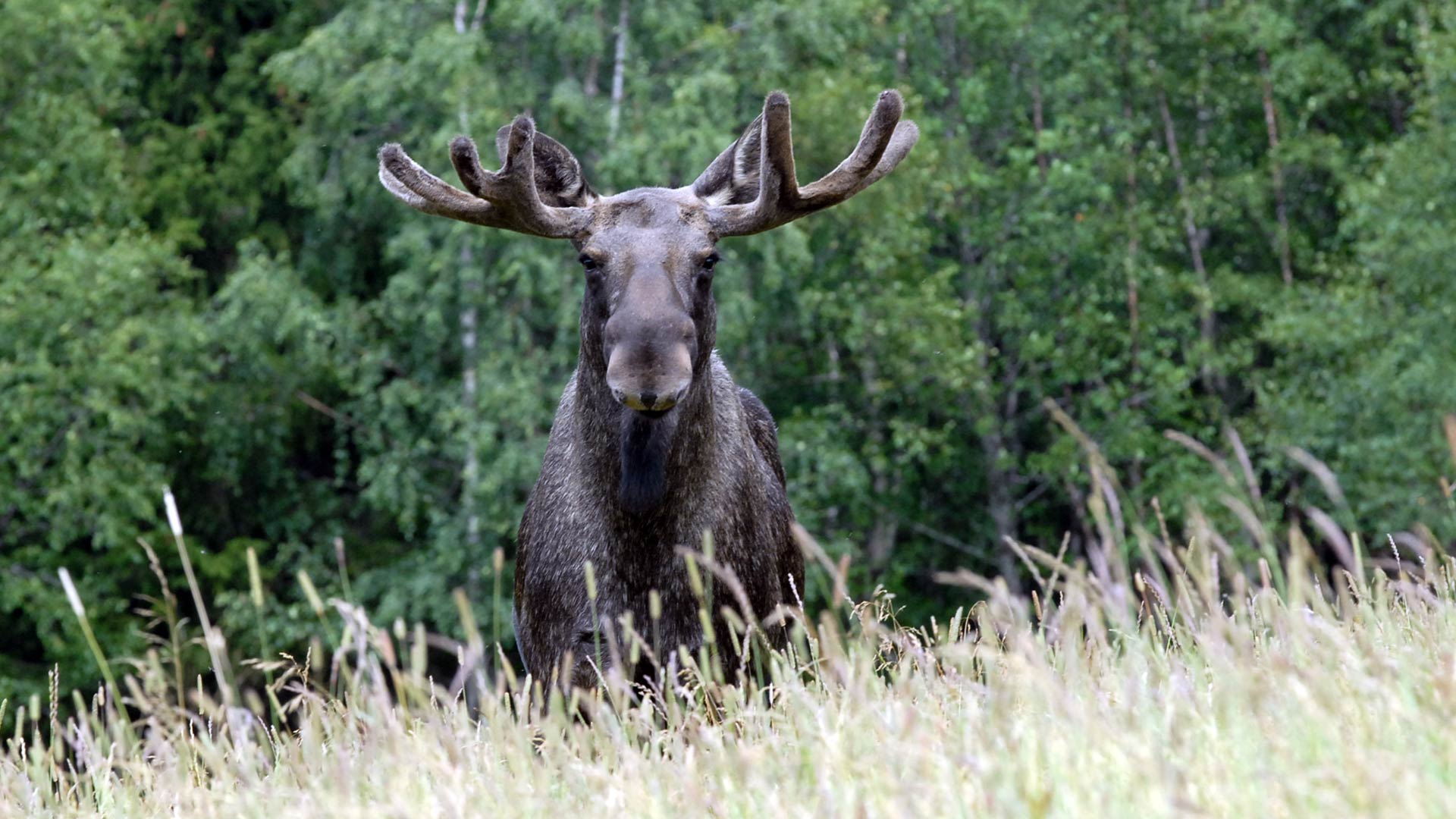
Fishing & Hunting
Fishing and hunting is not included in the Swedish Right of Public Access. Special rules apply.
Fishing
- Keep track on which permits, such as fishing permits, you need to go fishing. More information is available here.
- Bring all waste home with you, including lines and hooks.
- Show consideration when traveling on water so you don’t disturb your surroundings with noise or waves.
- Boat launching by car or trailer is not subject to the Public Right of Access. The land owner’s permission is required.
Hunting
- Update any signs saying that hunt is ongoing to 1. alert the public 2. not alert the public unnecessary.
Find out more about fishing & hunting in Åre.
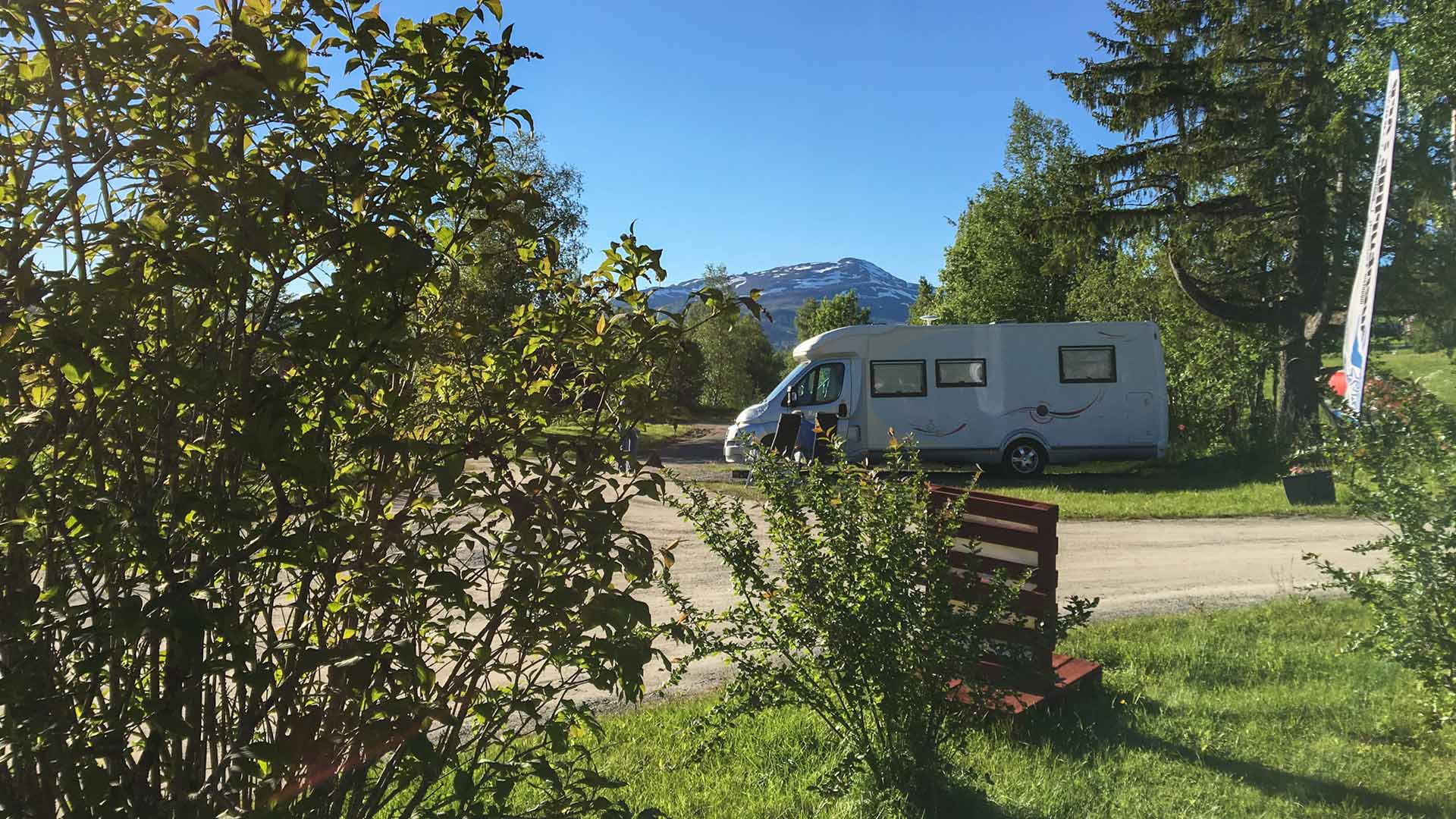
Camper, RV’s and Rooftop Tents
Driving motor vehicles is not subject to the Public Right of Access but to the Off-Road Driving Act. This means that land owners cannot give others permission to drive or park motor or electric vehicles in any terrain. It’s prohibited to drive in terrain with cars, rv’s caravans or other vehicles. This applies regardless if you wish to stay overnight or park your vehicle.
- Check where you can park your vehicle. You’re not allowed to park your car, including a car with a rooftop tent, in the forest, on beaches, on pastures, in parks or om lawns.
- For parking along a road, the rule of thumb is 24 hours. Always ask the land owner if you wish to park or camp close to a house, even if it’s just for a night.
- Remember to park on durable soil so your vehicle doesn’t destroy the ground. Avoid obstructing activities or put others in dangerous situations.
Find parking and camping sites
Toilet
Follow the Right of Public Access responsibly by choosing a spot well away from watercourses, paths, buildings and grazing animals. Dig a small hole for your business, cover it thoroughly with soil or a large stone afterwards, and take care of your toilet paper properly.
- A small garden trowel makes digging a hole to make your business in much easier – bring one along in your pack.
- Dog waste bags take up very little space – collect your used toilet paper in one and take it home.
- Never leave wet wipes in nature – they often contain plastic and/or chemicals.
- Use hand sanitiser to clean your hands. If you use soap, make sure it’s truly biodegradable.
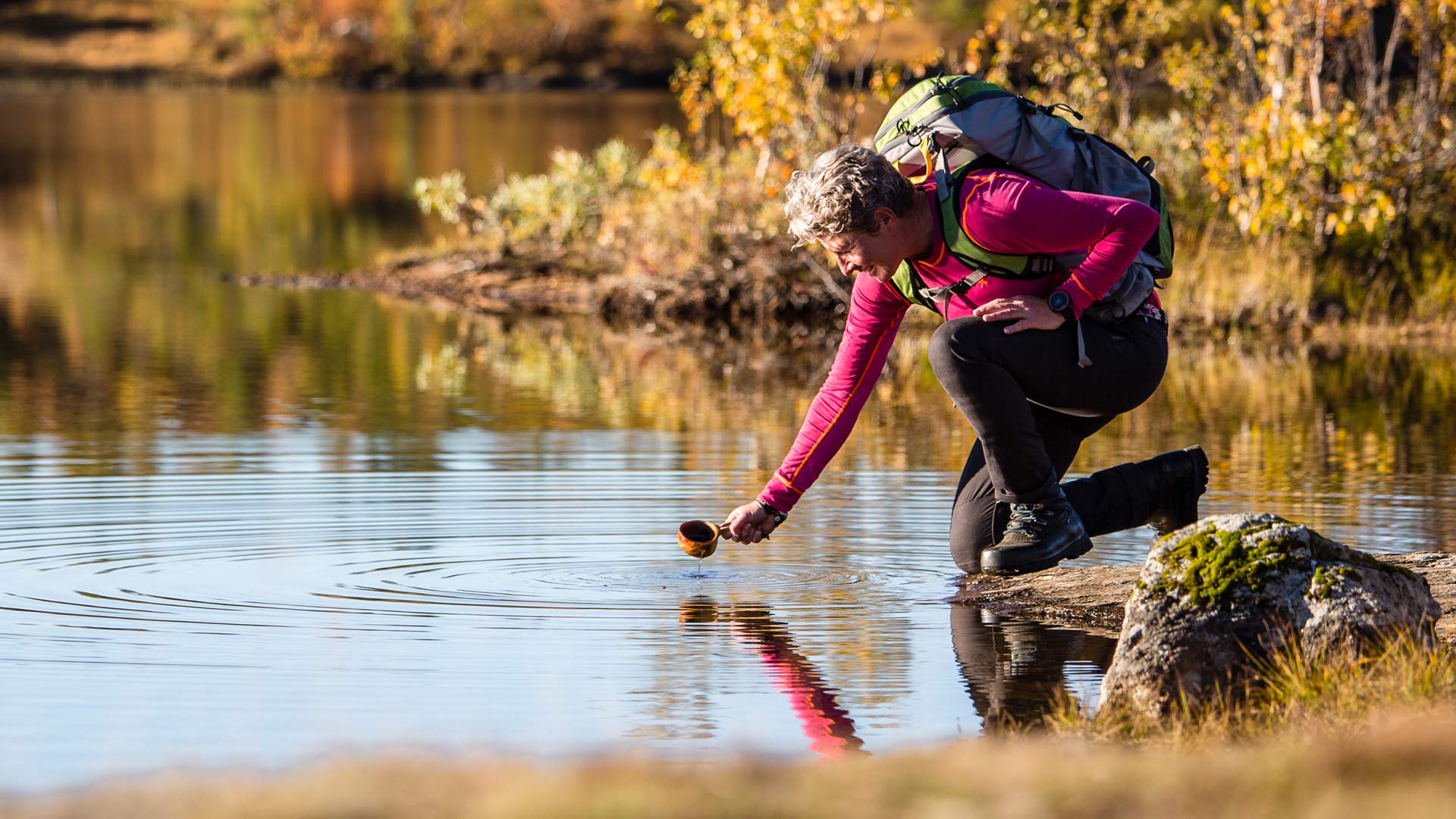
Washing Up
- Soak your dishes beforehand to make it easier to remove stubborn food residues.
- Warm the water slightly – lukewarm water helps dissolve fat and leftover food.
- Soak a loofah sponge and lather it with our eco soap Wash – Clean – Dish before scrubbing your dishes clean. The soap cuts through grease and the loofah gives a gentle scrub that’s kind to your utensils.
- You may also use sand or gravel with a bit of water to pre-wash your utensils. Make sure not to scrub with it, just shake and empty.
- Never pour washing-up water into open water – instead, pour it onto the ground where natural processes will break down food and soap residues.
Find Your Trail
The trail network for hiking, trail running, cross-country skiing, ski touring and cycling in Åre and Södra Årefjällen is extensive and well-marked. On the digital map Åre Trails, you’ll find your favourite route – whatever your activity and whether you’re planning a long adventure or a short outing. Find more tips below – for before your trip and for when you’re on site.
Last updated 31 October 2025


